
Кристаллический наполнитель для кошачьего туалета лучше для кошек? Самый честный ответ — не всегда. Кристаллический наполнитель для кошачьего туалета может оказаться более подходящим для некоторых домов, поскольку он, как правило, обеспечивает эффективное устранение запахов, имеет небольшой вес и требует реже выбрасывать полный контейнер, чем некоторые традиционные наполнители. Однако “лучше для кошек” не всегда означает “лучше для хозяев”. Многие эксперты по поведению кошек утверждают, что большинство кошек предпочитают мелкозернистый наполнитель без ароматизаторов, а также результаты исследований Университета штата Огайо, Корнельского университета и рекомендации Американской ассоциации семейных врачей (AAFP) — все это указывает на то же самое. Это означает, что кристаллический наполнитель может подойти некоторым кошкам, но он не является автоматически лучшим выбором только потому, что это современный или удобный продукт.
В Carecon™ мы считаем, что на этот вопрос следует отвечать, прежде всего, с точки зрения кошки. Наполнитель для туалета можно назвать “лучшим” только в том случае, если кошка действительно будет им пользоваться с комфортом и регулярно. У кристаллического наполнителя действительно есть свои преимущества. По данным PetMD, кристаллические наполнители на основе кремнезема обладают высокой впитывающей способностью и помогают устранять запахи. Компания Zoetis Petcare утверждает, что наполнитель на основе силикагеля впитывает мочу, а не образует комки, и разработан для уменьшения запаха. Однако данные исследований Огайского государственного университета и Корнельского университета, посвященные предпочтениям кошек, показывают, что комфорт кошки в отношении текстуры, запаха и чистоты лотка имеет такое же значение, как и контроль запаха.
Короче говоря, ответ таков: Кристаллический наполнитель для туалета часто лучше справляется с устранением запахов и удобен в использовании, но не всегда обеспечивает кошкам максимальный комфорт или соответствует их предпочтениям в отношении туалета. Во многих случаях это лучше для носа владельца и упрощает уборку. Что касается кошки, то результат зависит от текстуры, размера зерен, количества пыли, чувствительности и привычек.
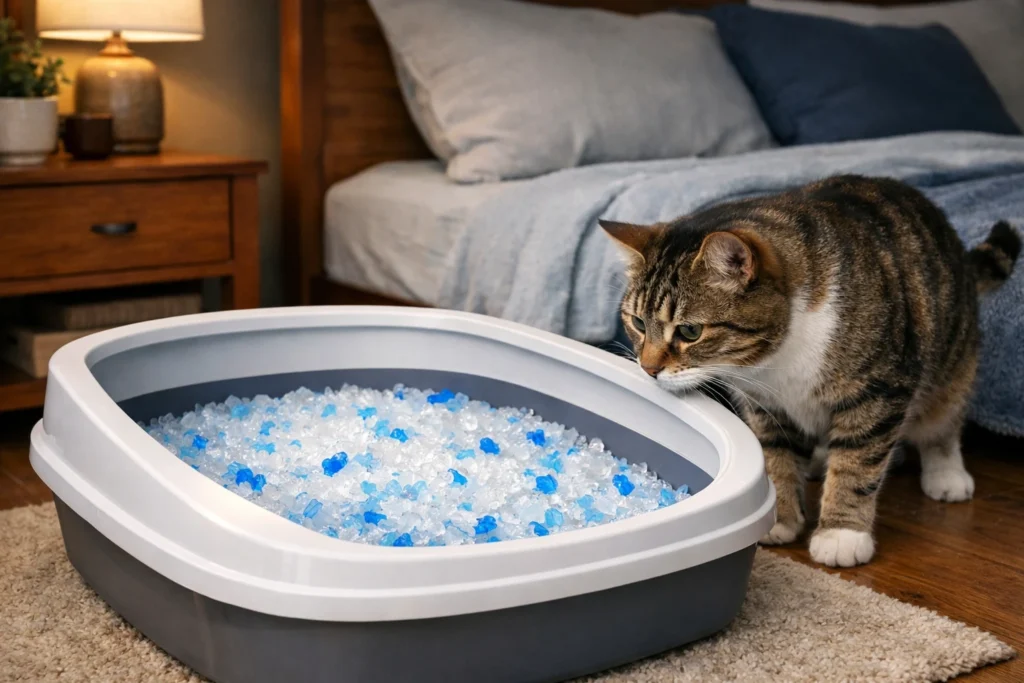
Что на самом деле представляет собой наполнитель для кошачьего туалета Crystal
Кристаллический наполнитель для кошачьего туалета обычно изготавливают из силикагель, — это не то же самое, что обычный комкующийся глиняный наполнитель. Как объясняет PetMD, кристаллический наполнитель изготавливается из силикагеля и используется благодаря своим абсорбирующим свойствам, а также способности нейтрализовать запахи. Компания Zoetis Petcare также отмечает, что наполнитель на основе силикагеля впитывает мочу в свои частицы, а не образует комки, после чего моча со временем высыхает внутри наполнителя.
Это важно, поскольку кристаллический наполнитель ведет себя совсем иначе, чем комкующийся. При использовании комкующегося наполнителя владельцы обычно ежедневно удаляют как комки с фекалиями, так и комки с мочой. При использовании кристаллического наполнителя фекалии по-прежнему выгребаются, но мочу часто оставляют впитываться в кристаллы до тех пор, пока наполнитель не достигнет предела своей впитывающей способности, после чего лоток опорожняют и заменяют. Компания Zoetis Petcare описывает это как одно из основных различий между наполнителем на основе силикагеля и комкующимся наполнителем.
Именно этот особый подход к уборке является одной из причин, по которой многие владельцы предпочитают кристаллический наполнитель. В некоторых домах он может казаться более легким, чистым и удобным в использовании. Однако это также означает, что продукт должен подходить самой кошке. Наполнитель, который хорошо себя зарекомендовал на бумаге, может оказаться неудачным, если кошке не нравится, как он ощущается под лапами. Кошки отмечает, что некоторые кристаллические наполнители имеют шероховатую текстуру и что некоторым кошкам не нравится такое ощущение. PetMD также отмечает, что, хотя кристаллические наполнители обладают хорошей впитывающей способностью и низким уровнем пыли, многие из них на ощупь шероховаты, и некоторым кошкам они не нравятся именно по этой причине.
Почему некоторые владельцы кошек предпочитают кристаллический наполнитель
Главная причина заключается в том, что борьба с неприятными запахами. Кристаллический наполнитель часто выбирают владельцы, которые хотят, чтобы запах из лотка был менее заметным в квартирах, спальнях, прачечных и других небольших помещениях. PetMD отмечает, что силикагель обладает абсорбирующими свойствами и обеспечивает контроль запаха. Компания Zoetis также утверждает, что наполнитель из силикагеля разработан для поглощения мочи и уменьшения запаха. Это реальные преимущества, и они объясняют, почему кристаллический наполнитель остается популярным, несмотря на то, что многие кошки предпочитают более мягкий и мелкий наполнитель.
Вторая причина заключается в том, что меньший вес. Кристаллический наполнитель часто удобнее переносить, чем плотный глиняный. Хотя это скорее преимущество для владельца, чем для кошки, в реальной жизни это все же имеет значение. Более легкий продукт может упростить замену наполнителя и полную смену лотка, особенно для пожилых владельцев или людей, живущих в квартирах. Некоторые источники, основанные на отзывах, также отмечают, что кристаллический наполнитель меньше разносится по дому, особенно если кристаллы крупные, хотя крупные кристаллы могут быть менее комфортными для чувствительных кошек.
Третьей причиной является Внешний вид коробки и особенности ухода. Некоторым владельцам нравится, что кристаллический наполнитель дольше сохраняет сухость, поскольку моча впитывается в кремнезем, а не образует видимые влажные комки. В некоторых продуктах также используется технология кристаллов, меняющих цвет, чтобы помочь владельцам заметить возможные изменения в моче, хотя эти продукты не заменяют ветеринарную помощь. Компания Zoetis сообщает, что на рынке представлены варианты кремнезема, меняющего цвет, предназначенные для мониторинга мочи, а в обзоре PrettyLitter, опубликованном WIRED, отмечается, что эти продукты могут сигнализировать об изменениях, но также могут вызывать ложные срабатывания и не должны заменять регулярного ветеринарного наблюдения.
С точки зрения нашей программы Carecon™ это явные преимущества самого продукта. Кристаллический наполнитель может обеспечить владельцам ощущение большей чистоты при уборке и более эффективное устранение запахов. Однако эти преимущества не означают автоматически, что он “лучше для кошек”. Об этом следует судить по тому, насколько кошка принимает этот наполнитель и насколько она в нём чувствует себя комфортно.
Почему кристаллический наполнитель не всегда лучше для кошек
Главная причина проста: многие кошки предпочитают мелкий наполнитель без отдушек. Согласно данным инициативы «Indoor Pet Initiative» Университета штата Огайо, большинство кошек предпочитают мелкозернистый наполнитель без отдушек. Центр здоровья кошек Корнельского университета отмечает, что большинство кошек предпочитают наполнитель без отдушек. В рекомендациях, разработанных при участии AAFP и ISFM, указывается, что кошки чаще всего предпочитают мелкозернистый комкующийся наполнитель без отдушек. Недавнее исследование предпочтений кошек в отношении наполнителей также показало, что в тестовых условиях кошки предпочитали комкующийся глиняный наполнитель.
Это не значит, что все кошки не любят кристаллический наполнитель. Просто он не соответствует некоторым типичным предпочтениям кошек, особенно если кристаллы крупные, твердые или шуршат при ходьбе. Кошки отмечает, что крупные кристаллы могут казаться шершавыми на лапах. Сайт The Spruce Pets также отметил в ходе тестирования, что наполнители с крупными кристаллами могут вызывать дискомфорт у кошек с чувствительными лапами. Это очень важный практический момент, поскольку наполнитель может отлично справляться с запахом, но все равно быть отвергнут кошкой, если его текстура ей не понравится.
Здесь есть ещё один момент. Многие кошки больше заботятся о состояние и чистота подстилки чем о каких-то сложных особенностях наполнителя. В рекомендациях Корнельского университета, Университета штата Огайо и Американской ассоциации ветеринарных врачей, специализирующихся на лечении кошек (AAFP), особое внимание уделяется чистоте лотка, использованию наполнителя без отдушек и предпочтениям кошки. Поэтому, если кристаллический наполнитель имеет запах, является грубозернистым или его не меняют достаточно часто, он может перестать нравиться кошке, даже если владелец по-прежнему считает его приемлемым.
Проще говоря, кристаллический наполнитель может лучше справляться с запахом, но не всегда способствует тому, чтобы кошка чувствовала себя в лотке как в естественной среде. Именно поэтому с формулировкой “лучше для кошек” нужно обращаться осторожно.
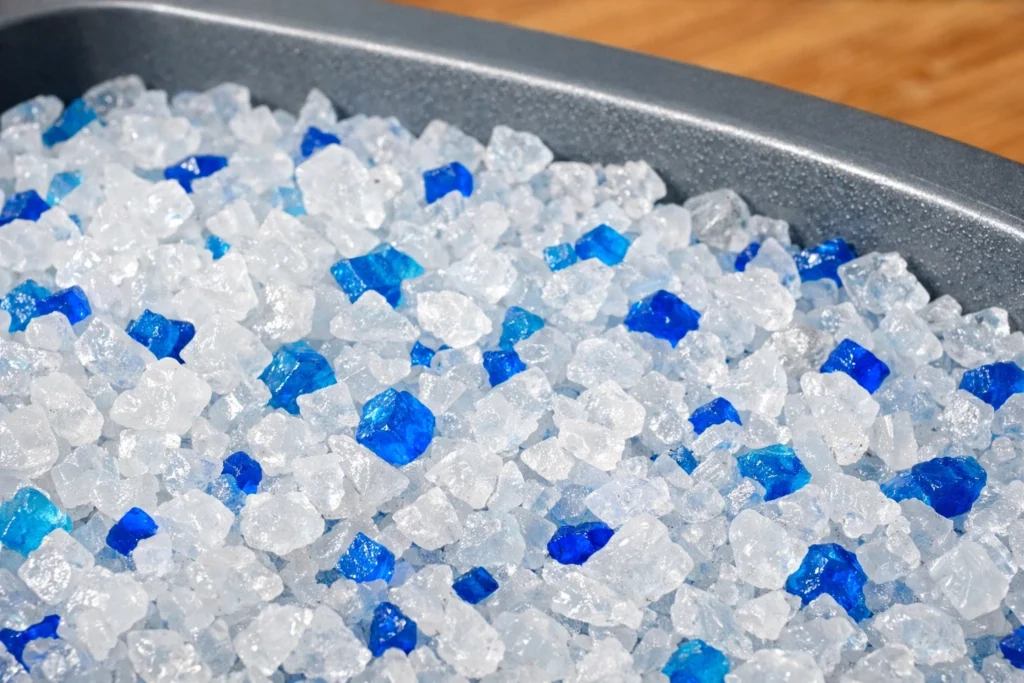
Настоящие преимущества наполнителя для кошачьего туалета Crystal
У кристаллического наполнителя действительно есть свои преимущества, и их не стоит игнорировать.
Эффективное устранение неприятных запахов
Это главный аргумент в пользу данного продукта. По данным PetMD, кристаллический наполнитель помогает устранять неприятный запах, а компания Zoetis отмечает, что силикагелевый наполнитель поглощает мочу, тем самым уменьшая запах. Если главной проблемой в доме является запах из лотка, кристаллический наполнитель действительно может облегчить повседневную жизнь.
Хорошая впитываемость влаги
Кристаллический наполнитель впитывает мочу, а не образует комки. Благодаря этому лоток может выглядеть сухим в течение некоторого времени. Сайт PetMD описывает силикагель как абсорбирующий материал, а компания Zoetis поясняет, что моча высыхает внутри наполнителя, а не выгребается в виде комков.
Меньший вес
Многие кристаллические наполнители легче переносить, чем тяжелые глиняные. Это не является прямой выгодой для кошки, но имеет значение с точки зрения домашнего использования и удобства в эксплуатации. В обзорах также часто отмечается, что с кристаллическими наполнителями проще обращаться при досыпании и полной замене.
Часто более низкая точность отслеживания
Крупные кристаллы, по сравнению с мелким глиняным наполнителем, реже разносится по дому. Сайт Spruce Pets отметил, что кристаллы Fresh Step отлично справляются с разнесением по дому, однако также предупредил, что крупные гранулы могут доставлять дискомфорт лапкам с чувствительной кожей. Это хороший пример компромисса: меньше грязи на полу, но, возможно, меньший комфорт в лотке.
Полезно для некоторых владельцев, которые хотят визуально контролировать мочеиспускание
Некоторые наполнители на основе кремнезема продаются с функцией изменения цвета. Компания Zoetis отмечает наличие таких продуктов, а издание WIRED указывает, что они иногда могут помочь владельцам заметить возможные изменения, хотя результаты не всегда легко интерпретировать и они не заменяют обычного ветеринарного ухода.
Настоящие недостатки кристаллического наполнителя для кошачьего туалета
Некоторые кошки не любят это ощущение
Это одна из самых серьезных проблем. Как отмечает сайт Cats., некоторые кристаллические наполнители имеют крупные гранулы и шероховатую текстуру, что не нравится некоторым кошкам. На сайте PetMD также отмечается, что многие кристаллические наполнители могут казаться шероховатыми, и некоторым кошкам не нравится, как они ощущаются на лапах.
Часто не образует комков
Для многих владельцев отсутствие комкования не является преимуществом. При использовании кристаллического наполнителя обычно убирают фекалии, но впитанную мочу оставляют на месте до полной замены наполнителя. Компания Zoetis ясно объясняет это. Если лоток не перемешивать и не менять вовремя, некоторым кошкам он может перестать нравиться.
Некоторые продукты по-прежнему выделяют пыль
Кристаллический наполнитель часто позиционируется как малопыльный, но это не означает, что в каждом доме он будет абсолютно беспыльным. PetMD описывает кристаллический наполнитель как вариант с низким уровнем пыли в некоторых случаях, но в обзоре WIRED о PrettyLitter отмечается высокий уровень пыли при реальном использовании и раздражение глаз у одной кошки во время тестирования. Это не означает, что все кристаллические наполнители пыльные. Это означает, что заявления о низком уровне пыли не являются универсальной истиной.
Это может обойтись дороже
Согласно недавним сравнительным обзорам, наполнители на основе кристаллов кремнезема зачастую стоят дороже, чем некоторые популярные глиняные варианты. В путеводителе по наполнителям от WIRED за 2025 год наполнители на основе кристаллов кремнезема были охарактеризованы как эффективно устраняющие запахи, но дорогие и не поддающиеся биологическому разложению.
Это не самая естественная для кошки текстура
Рекомендации по уходу за кошками, полученные от Университета штата Огайо, Корнельского университета и источников, связанных с Американской ассоциацией семейных врачей (AAFP), единодушно склоняются к использованию мелкого наполнителя без отдушек. Это означает, что кристаллический наполнитель может противоречить естественным предпочтениям многих кошек в отношении текстуры.
Является ли кристаллический наполнитель более безопасным, чем другие виды наполнителей?
При обычном использовании кристаллический наполнитель, как правило, позиционируется как безопасный вариант кошачьего наполнителя, однако “безопасный” не всегда означает «идеальный». Сайт PetMD поясняет, что кристаллический наполнитель изготавливается из силикагеля, который похож на абсорбирующий осушитель, используемый в упаковках. В то же время PetMD также отмечает в другой статье, что кристаллический наполнитель все же может представлять угрозу безопасности, если его вдыхать в виде пыли или проглатывать в значительных количествах, особенно в комкующихся составах. Компания Hill’s также рекомендует избегать использования кристаллического наполнителя для очень маленьких котят, которые еще могут проглатывать наполнитель.
Поэтому правильный ответ таков: кристаллический наполнитель не является опасным сам по себе, но при его использовании все же нужно руководствоваться здравым смыслом. Если у кошки чувствительные лапы, хронические проблемы с дыханием или привычка глотать наполнитель, к выбору следует подойти более тщательно. Если же кошка здорова и хорошо переносит текстуру наполнителя, кристаллический наполнитель вполне подойдет.
В Carecon™ мы считаем, что эту тему следует обсуждать без использования пугающих формулировок. Более уместный вопрос — не “Является ли это токсичным?”, а “Подходит ли это именно этой кошке, в этом доме и с учетом режима использования лотка?”. Такой подход помогает принимать более взвешенные решения.
Когда использование наполнителя Crystal Cat Litter является наиболее целесообразным
Кристаллический наполнитель часто является наиболее целесообразным выбором, когда главной проблемой владельца является запах. Это может быть целесообразно и в небольших домах, квартирах или комнатах, где запах наполнителя быстро становится заметным. Как PetMD, так и Zoetis подтверждают эффективность кристаллического наполнителя в борьбе с запахом, а в обзорах часто отмечается, что это его главное преимущество.
Он также может хорошо подойти кошкам, которые не особо привередливы в отношении текстуры наполнителя. Некоторые кошки легко привыкают к кристаллическому наполнителю, особенно если кристаллы мельче или мягче, чем в старых грубозернистых продуктах. Сайт Cats.com отмечает, что кристаллический наполнитель бывает с разным размером зерен, и более мелкие кристаллы часто воспринимаются лучше, чем крупные и грубые.
Кристаллический наполнитель также подойдет для тех домов, где хозяин ценит то, что он не разносится по дому и упаковка у него легче. Это преимущества, ориентированные на владельца, но они все же важны, ведь система уборки должна работать на благо всего дома. Продукт, которым легко управлять, с большей вероятностью будет поддерживаться в надлежащей чистоте, а чистота лотков важна для кошек. И Корнеллский, и Огайский государственные университеты подчеркивают, что чистота является ключевым фактором успеха лотка.
Когда кристаллический наполнитель для кошачьего туалета, скорее всего, не лучший выбор
Кристаллический наполнитель, вероятно, не лучший выбор для кошки, у которой уже наблюдаются чувствительность к лотку для туалета, предпочтение поверхности, или обход препятствий. В руководстве Корнельского университета по проблемам нечистоплотности кошек, советах Университета штата Огайо по уходу за лотком, а также в рекомендациях Американской ассоциации семейных врачей (AAFP) говорится о том, что наполнитель для лотка должен быть привлекательным для кошки, что, как правило, означает отсутствие запаха и мелкую текстуру. Если кошка уже избегает лотка, переход на наполнитель с более грубой или непривычной текстурой может усугубить проблему.
Кроме того, он может плохо подходить кошкам с нежные лапки, поскольку крупные кристаллы могут показаться острыми или твердыми. Об этом упоминают сайты Spruce Pets и Cats.com.
Кроме того, это не самый лучший вариант для начала, если главная цель владельца — обеспечить кошкам условия, наиболее естественные для них. На данный момент большинство рекомендаций по уходу за кошками по-прежнему склоняются к использованию мелкого неароматизированного наполнителя, чаще всего комкующегося.
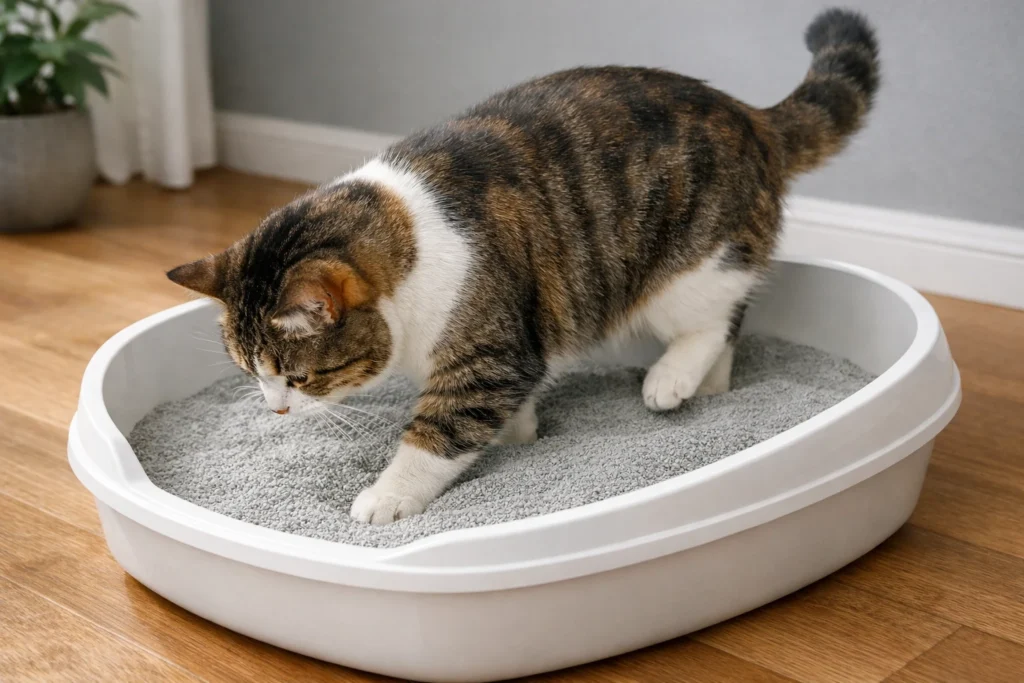
Как определить, подходит ли вашей кошке кристаллический наполнитель
Лучший тест — это не этикетка на продукте. Лучший тест — это кошка.
Обратите внимание на следующие моменты:
- Кошка без колебаний заходит в коробку?
- Кошка нормально роет и засыпает отходы или ей, похоже, не нравится текстура?
- Достаточно ли чистый лоток для кошки?
- Помогает ли наполнитель устранить запах, не вызывая при этом образования пыли или дискомфорта?
Если кошка нормально пользуется лотком, выглядит уютно, а владельцу нравится, как он справляется с запахом, то кристаллический наполнитель может оказаться отличным выбором. Если же кошка колеблется, избегает лотка, сидит на его краю или начинает ходить в туалет в других местах, кристаллический наполнитель, возможно, не лучший вариант, даже если он нравится владельцу. И Корнелл, и Университет штата Огайо однозначно заявляют, что принятие кошачьего туалета является одним из важнейших признаков, на которые следует обращать внимание.
Важен также постепенный переход. По данным организации International Cat Care, при смене типа наполнителя следует действовать осторожно, поскольку кошки часто предпочитают привычный мелкозернистый наполнитель без отдушек. Резкие изменения могут привести к тому, что кошка перестанет пользоваться лотком.
Наш взгляд на Carecon™
На сайте Carecon™, мы считаем, что кристаллический наполнитель для кошачьего туалета — это отличный вариант, но не является универсальным решением. Часто он подходит владельцам, которым важна эффективная борьба с запахом, меньший вес мешков и более аккуратный вид лотка. Однако это не значит, что он автоматически лучше для кошки. Кошка по-прежнему сама решает, подходит ли ей этот наполнитель.
Именно поэтому мы считаем, что эффективный маркетинг наполнителей должен оставаться сбалансированным. Наполнитель Crystal следует позиционировать с учетом его реальных преимуществ: борьба с неприятными запахами, впитывающая способность, легкость и удобство. Его не следует позиционировать как идеальный наполнитель для всех кошек, поскольку данные о поведении кошек не подтверждают подобных утверждений. Большинство кошек по-прежнему предпочитают мелкий наполнитель без отдушек, и при выборе продукта это следует учитывать.
Заключение
Кристаллический наполнитель для кошачьего туалета лучше для кошек? Иногда — да. Но не всегда. Кристаллический наполнитель может оказаться лучшим выбором, если в доме требуется эффективное устранение запахов, удобство в обращении и простота уборки. Он также может отлично подойти кошкам, которых не смущает текстура наполнителя и которые легко привыкают к силикатным наполнителям.
Но если речь идет исключительно о том, что сами кошки, как правило, предпочитают, однако в целом рекомендации по поведению по-прежнему склоняются к мелкозернистый наполнитель без ароматизаторов, который часто комкуется. Это означает, что кристаллический наполнитель зачастую удобнее для владельца, чем соответствует естественным предпочтениям обычной кошки. Лучший наполнитель — это тот, которым ваша кошка будет пользоваться с комфортом, регулярно и без стресса. Для Carecon™ это самый честный и самый полезный ответ.