
Работают ли угольные подкладки для туалета? Да, они часто работают, но в основном для борьбы с запахом, а не как полноценная модернизация всех этапов приучения к горшку. На сайте Carecon™, Мы бы ответили на этот вопрос очень прямо: угольный коврик для туалета может придать дому приятный запах и облегчить жизнь, но он не заменит рутину, приучение к месту и поощрение. Именно этот баланс необходимо понять покупателям, прежде чем они сделают выбор между угольным и обычным ковриком.
Причина, по которой угольные коврики привлекают внимание, проста. Многим покупателям нужна не только подстилка, удерживающая мочу. Им нужна подкладка, которая помогает контролировать запах, появляющийся после того, как собака ее использовала. Активированный уголь широко используется для адсорбции. Агентство по охране окружающей среды США утверждает, что активированный уголь обычно используется для адсорбции вкусовых и запаховых соединений, а AKC объясняет, что активированный уголь работает за счет адсорбции, потому что молекулы прилипают к большой пористой поверхности угля. Это не доказывает, что каждый угольный коврик для туалета одинаково хорош, но объясняет, почему эта функция вообще существует.
Это утверждение подтверждается и прямыми испытаниями продукции. Издание The Spruce Pets протестировало подушечки для тренировок с активированным углем и обнаружило, что они отлично поглощают запахи. В своем подробном обзоре издание заявило, что протестированные угольные подушечки являются одними из самых эффективных вариантов для борьбы с запахами как в лабораторных, так и в домашних условиях. В ходе того же тестирования авторы обзора также заявили, что они не отметили явное улучшение общей впитываемости по сравнению с прокладками без угля, а также отметили, что угольные прокладки впитывают жидкость немного дольше, чем их лучшие образцы. Это очень полезный результат, потому что он дает наиболее честный ответ: угольные прокладки могут помочь, но они не выигрывают во всех категориях.
С нашей точки зрения, в Компания Linyi CareCon Import & Export Co., Ltd., Именно так и следует объяснять этот продукт. Угольный коврик для туалета - это не волшебство. Это коврик с функцией, которая может улучшить ситуацию с запахом для владельца. Если покупатель ожидает более быстрого обучения, меньшего количества несчастных случаев или автоматического подчинения собаки, он, скорее всего, будет разочарован. Если же покупатель хочет иметь более чистый и пахнущий горшок в помещении, уголь может стать полезным шагом вперед. AKC, Humane World for Animals и VCA ясно дают понять, что приучение к горшку по-прежнему зависит от последовательности, времени, места и немедленной похвалы.
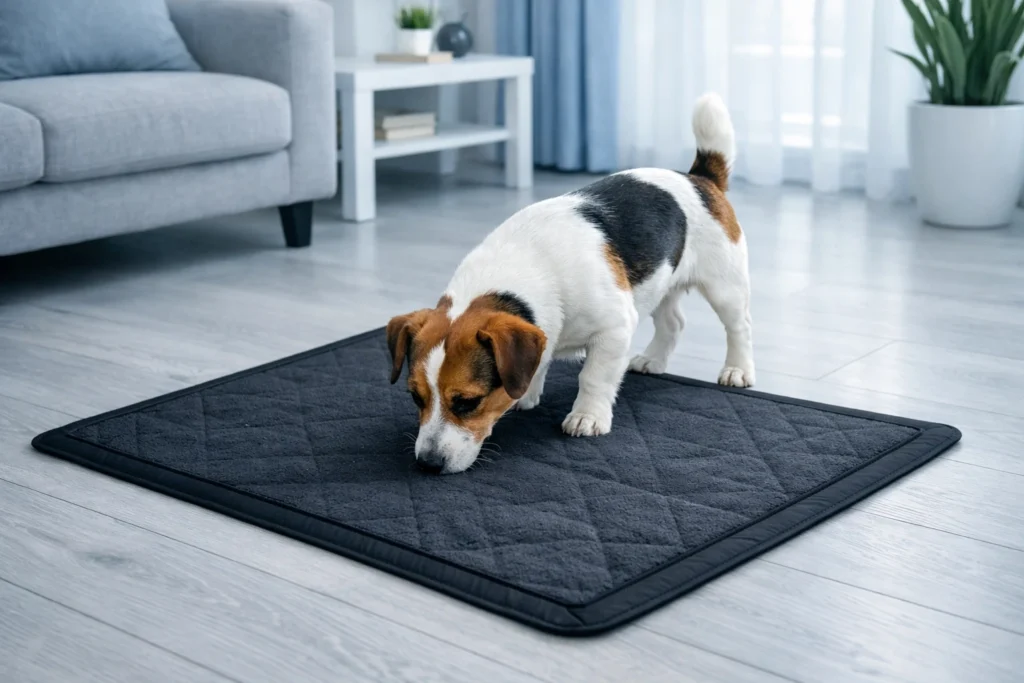
Что на самом деле представляет собой угольный коврик для туалета
Угольная подушечка для мочи - это, как правило, стандартная одноразовая подушечка для тренировок с дополнительным слоем или компонентом, который содержит активированный уголь или активированный уголь. Основная идея не нова. Активированный уголь широко используется в системах очистки и фильтрации благодаря своей способности адсорбировать соединения на своей поверхности. EPA объясняет это в контексте очистки воды, и AKC В описании активированного угля для собак тот же базовый механизм объясняется более простыми словами. В обоих случаях ключевая концепция одинакова: пористый уголь может удерживать на своей поверхности определенные соединения.
На рынке подгузников эта функция обычно продается как способ уменьшить запах вокруг использованного подгузника. Это не означает, что собака с большей вероятностью воспользуется ковриком. В некоторых мочальных ковриках для этой цели используются аттрактанты или ароматические сигналы. Угольные коврики чаще всего позиционируются как Борьба с запахами а не как продукт, привлекающий к дрессировке. Обзор Spruce Pets подтверждает эту позицию, поскольку в хвалебных отзывах о подушечках с активированным углем речь идет о поглощении запаха, а не о более быстром обучении или лучшей реакции на дрессировку.
Это различие имеет значение, потому что на страницах многих товаров несколько преимуществ смешиваются вместе. Покупатель может прочитать “древесный уголь” и предположить, что подушечка будет быстрее впитывать, лучше пахнуть, лучше тренировать собаку и меньше протекать. Имеющиеся данные не подтверждают все это сразу. Наиболее подтвержденным преимуществом является контроль запаха. Более слабое утверждение - улучшенная впитываемость. Самое слабое утверждение - лучшая дрессировка. Эта часть все еще зависит от того, как владелец использует подкладку. AKC утверждает, что главное - рутина и постоянство, и VCA говорит, что основой домашнего воспитания являются последовательность, контроль и положительное подкрепление.
Почему угольные подушечки для мочи могут помочь
Самая веская причина, по которой угольные подкладки для туалета могут помочь, проста: они могут сделать запах в помещении, где вы ходите на горшок, менее неприятным для людей в доме. По данным EPA, активированный уголь обычно используется для адсорбции пахучих веществ. The Spruce Pets также обнаружил, что протестированная им подушечка с активированным углем очень хорошо справляется с запахом, а участники тестирования сообщили, что не чувствуют запаха уксуса, использованного при тестировании. Это, конечно, не то же самое, что настоящая собачья моча в каждом доме, но все же полезный практический признак того, что угольная функция может иметь заметное значение.
Это преимущество имеет большее значение, чем думают некоторые люди. Продукт, уменьшающий запах, может сделать использование подушечек в помещениях более терпимым в квартирах, спальнях, прачечных и небольших жилых пространствах. Это отчасти вывод из роли контроля запаха и из реальных испытаний продукта, но он вполне обоснован. Если один тип прокладок уменьшает заметный запах лучше, чем другой, он, вероятно, будет более удобен для использования в тесных помещениях.
Угольные подушечки также могут помочь покупателям, которые используют подушечки в течение длительного времени в течение одного дня. Это не значит, что использованные прокладки должны лежать слишком долго. Это означает, что функция контроля запаха может сделать период между сменами прокладок менее неприятным. Опять же, это вывод из того, как активированный уголь используется для адсорбции запаха, а также из тестирования продукта, в ходе которого угольные прокладки были признаны лучшим средством для поглощения запаха. Не стоит превращать это в обещание, что подушечку можно не менять слишком долго.
С точки зрения Carecon™, это наиболее убедительное сообщение о ценности. Угольная подушечка для туалета может улучшить ежедневный домашний опыт. Она может уменьшить “запах использованной подстилки”, который владельцы замечают в первую очередь. С ним уборка в помещении может стать более чистой и управляемой. Это реальная ценность, даже если это не то же самое, что повышение эффективности дрессировки. AKC и Humane World for Animals напоминают владельцам, что успех в приучении к горшку по-прежнему зависит от графика, повторения и поощрения собаки за использование правильного места.
Что не делают угольные прокладки для мочи
Именно с этого начинается путаница при покупке. Угольная подушечка для туалета делает не научите собаку, куда ходить. AKC утверждает, что дрессировка на площадке лучше всего работает, если владелец придерживается графика, выводит щенка на площадку в нужные моменты, держит площадку в постоянном месте и сразу же поощряет за успехи. VCA в своем руководстве по приучению к туалету говорит то же самое. Ничего не меняется от того, что в подушечке содержится древесный уголь.
Угольный коврик для туалета также не автоматически впитывают лучше, чем все обычные подушечки. Тестирование Spruce Pets здесь очень полезно, потому что в нем конкретно говорится, что угольные подушечки не показали явных преимуществ по впитываемости перед подушечками без угля в своих тестах. Также было отмечено, что подушечка из активированного угля впитывает жидкость немного дольше, чем самые рейтинговые варианты. Это означает, что покупателям не стоит думать, что “уголь” означает “более быстрое впитывание”.”
Это также не решает вопрос о приучении к горшку в помещении или на улице. Организация "Гуманный мир для животных" говорит, что такие варианты комнатных горшков, как коврики, могут быть полезны, но при этом предупреждает, что приучение к горшку в помещении может затянуться. Это относится и к угольным коврикам. Угольный слой может помочь в борьбе с запахом, но он не меняет более серьезного компромисса, связанного с приучением к горшку в помещении.
Мы в Carecon™ считаем, что именно здесь важен честный маркетинг. В хорошем описании товара должно быть сказано, что угольные подушечки в основном предназначены для устранения запаха. В нем не должно говориться о том, что уголь сам по себе поможет решить проблему пропущенных целей, плохого распорядка дня, поздних походов на горшок или слабого контроля. Это проблемы дрессировки и настройки, а не проблемы древесного угля. Советы AKC по дрессировке с помощью подушечек делают это очевидным, фокусируясь на времени, месте и вознаграждении.
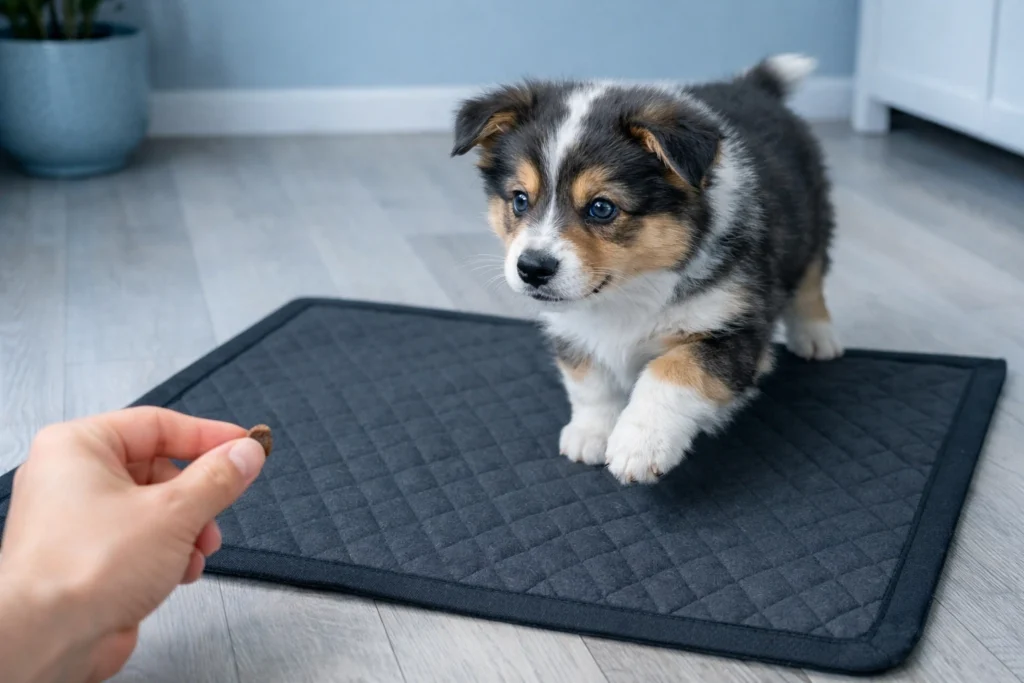
Работают ли они лучше, чем обычные прокладки для туалета?
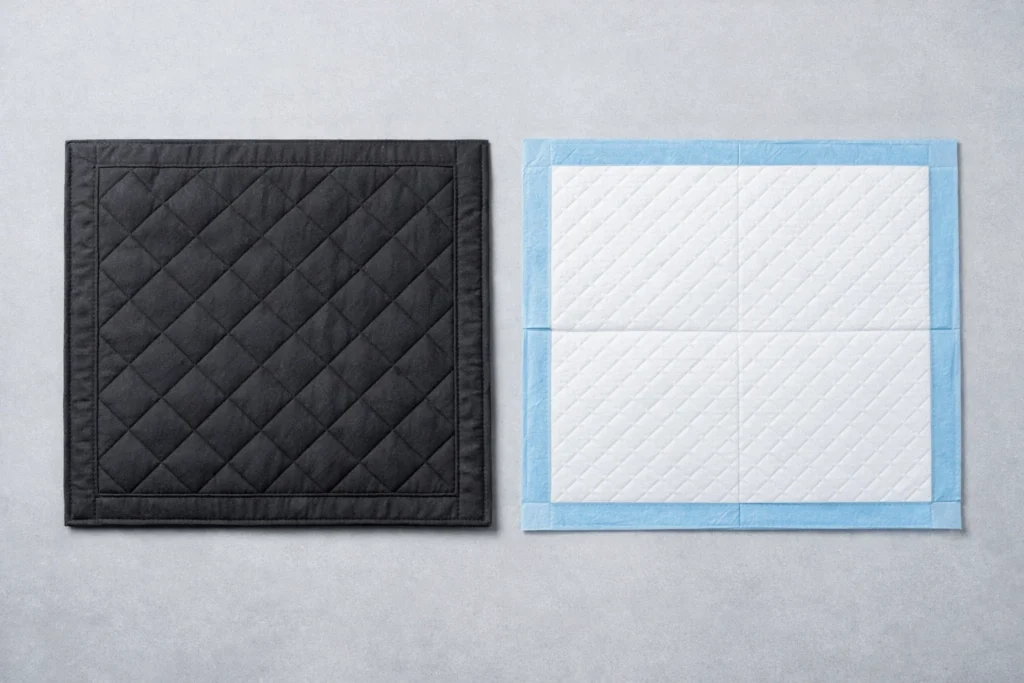
Самый справедливый ответ - угольные прокладки для туалета. лучше для борьбы с запахами, но не всегда лучше во всех остальных отношениях. В обзоре Spruce Pets приводится наиболее четкое прямое сравнение из всех просмотренных нами источников. В нем высоко оцениваются подушечки из активированного угля для поглощения запахов, они названы очень эффективными, но при этом не отмечено явных преимуществ по впитываемости перед подушечками без угля и отмечено несколько более медленное поглощение жидкости по сравнению с лучшими альтернативами. Это делает уголь специализированным, а не универсальным средством.
Поэтому для некоторых покупателей обычные прокладки могут оказаться лучшим выбором. Если покупателя больше всего беспокоит быстрое задерживание жидкости, то стандартные впитывающие прокладки премиум-класса могут конкурировать с ними очень хорошо или даже лучше. Если же покупателя больше всего волнует запах в помещении, уголь может оказаться более подходящим вариантом. Другими словами, выбор продукта зависит от того, какую болевую точку пытается решить покупатель. Этот вывод сделан на основе данных обзора, но он напрямую вытекает из проверенных сильных и слабых сторон.
Есть и визуальный фактор, который нравится некоторым владельцам. В резюме Spruce Pets отмечено, что домашний испытатель предпочел более темную окраску подушечки из активированного угля. Это не является преимуществом с научной точки зрения, но имеет значение в реальной жизни, поскольку покупателям часто важно, как выглядят использованные подушечки в доме перед утилизацией.
С точки зрения нашей компании Linyi CareCon Import & Export Co., Ltd., лучшее сравнение - это не “уголь против обычного” в общем смысле. Лучшее сравнение - это “подушечка с запахом против обычной подушечки”. Как только вы представите продукт таким образом, решение о покупке станет более ясным и честным.
| Тип колодки | Главная сила | Основное ограничение | Лучшая посадка |
|---|---|---|---|
| Угольный коврик для туалета | Лучший контроль запахов | Не впитывает быстрее, чем верхние подушечки из не древесного угля | Дома, где запах является главной проблемой |
| Стандартный коврик для туалета | Доступны варианты с сильной общей впитываемостью | В некоторых продуктах меньше запаха | Покупатели, ориентированные на стоимость или быструю ликвидность |
Это сравнение основано на тестировании и описании продукта от The Spruce Pets, а также на общей адсорбционной роли активированного угля, описанной EPA и AKC.
Кому стоит обратить внимание на угольные прокладки для туалета
Угольные подкладки для туалета лучше всего подходят тем владельцам, которые уже знают, что будут использовать подгузники в помещении, и хотят, чтобы запах был более приятным. К ним относятся владельцы квартир, малогабаритных домов, семьи, которые используют специальное место для горшка в помещении, а также владельцы, ухаживающие за молодыми щенками, маленькими комнатными собаками или пожилыми собаками, нуждающимися в резервном туалете. Это частично следует из преимуществ продукта по борьбе с запахом, а частично - из распространенных случаев использования ковриков в помещении, описанных AKC и Humane World for Animals.
Они также имеют смысл для покупателей, которые довольны текущим прогрессом в тренировках, но недовольны запахом использованных подушечек. В этом случае переход с обычных подушечек на угольные может быть практичным обновлением продукта. Она не требует от владельца менять весь распорядок дня. Он просто пытается улучшить одну из составляющих этого процесса. Это гораздо более реалистичное обещание, чем “лучшее приучение к горшку”.”
Они могут быть менее важны для покупателей, которые часто меняют прокладки, используют тренировки на улице в качестве основной системы или больше заботятся о максимальной скорости впитывания, чем о запахе. Опять же, это вывод из результатов тестирования. Если запах не является основной проблемой, функция угля может быть не настолько важна, чтобы оправдать обновление.
Как сделать угольные прокладки для мочи более эффективными
Прежде всего, нужно помнить, что функция угля работает только при наличии хорошей установки. AKC говорит, что владельцы должны выбрать четкое место для горшка и не перемещать площадку, пока собака учится. Также говорится, что щенков следует водить на площадку после пробуждения, еды, игры и сна, и поощрять сразу после успеха. Эти привычки имеют большее значение, чем цвет или материал коврика.
Второй шаг - относиться к древесному углю как к средству борьбы с запахами, а не как к причине лениться менять прокладки. Использованную прокладку все равно нужно своевременно менять. В приведенных источниках не указан фиксированный универсальный интервал замены, поэтому наиболее безопасным будет утверждение, что уголь снижает давление запаха, но не превращает грязную прокладку в чистую. Этот вывод согласуется с функцией контроля запаха, описанной EPA, и результатами реальных испытаний, проведенных The Spruce Pets.
Третий шаг - поддерживать процесс обучения собаки. VCA утверждает, что приучение к дому зависит от последовательности, контроля и положительного подкрепления. Организация Humane World for Animals также напоминает владельцам, что использование туалета может быть полезным, но может замедлить процесс приучения к туалету только на улице. Поэтому, если в долгосрочных планах - туалет на улице, владелец должен четко определить это с самого начала. Угольный коврик может помочь приучению к туалету в помещении, но сам по себе он не решает проблему перехода из помещения на улицу.
Четвертый шаг - подбор прокладки в соответствии с потребностями дома. Если в доме требуется сильная борьба с запахами в ограниченном пространстве помещения, древесный уголь может стать разумным выбором. Если же дому требуется быстрое улавливание жидкости или недорогой вариант для сыпучих материалов, то лучшим выбором может стать стандартная подушечка. Эта логика подбора продуктов вытекает непосредственно из различий в характеристиках, описанных в ходе тестирования продуктов.
Во что мы верим в Carecon™
В компании Carecon™ мы считаем, что лучший ответ - это взвешенный ответ. Угольные прокладки для мочи действительно работают, Но они работают лучше всего в определенном направлении. Они помогают бороться с запахом. Благодаря им уход за горшком в помещении становится более чистым и посильным. Они могут улучшить повседневный опыт владельца в использовании подстилки. Имеющиеся данные из источников активированного угля и прямые испытания продукции подтверждают это.
Мы делаем не считают, что уголь должен продаваться в качестве короткого пути к дрессировке. AKC, Humane World for Animals и VCA указывают в одном направлении: реальными факторами приучения к горшку являются рутина, время, стабильное расположение, контроль и немедленное вознаграждение. Поэтому, если собака не ходит на горшок, если горшок расположен в неправильном месте или если владелец непоследователен, переход на уголь не решит основной проблемы.
Мы также считаем, что покупатели заслуживают четкой формулировки продукта. “Древесный уголь” должен в первую очередь сигнализировать о борьбе с запахом. “Супервпитываемость” должна быть доказана отдельно. Когда заявления о продукте понятны, покупатели делают более точный выбор и больше доверяют категории. Такое позиционирование выгодно и бренду, и покупателю.
Заключение
Работают ли угольные подставки для мочи? Да, как правило, они работают именно на то, для чего предназначены: уменьшение запаха при использовании коврика в помещении. Механизм имеет смысл, поскольку активированный уголь широко используется для адсорбции соединений, связанных с запахами, а прямые испытания продукции The Spruce Pets показали высокую эффективность подушечек из активированного угля в борьбе с запахами.
Но полный ответ на этот вопрос более конкретен. Угольные прокладки для мочи делают не автоматически дрессируют собаку быстрее. Они не По впитывающей способности они явно превосходят все прокладки без древесного угля. Они не устранить необходимость в рутине, контроле и приучении к горшку за вознаграждение. AKC, Humane World for Animals и VCA четко формулируют эти принципы дрессировки.
Компания Carecon™ наиболее точно представляет угольные прокладки для мочи: они являются полезным средством. Модернизация системы контроля запахов для обустройства горшков в помещении, а не чудодейственный продукт. Когда покупатели понимают это, они делают лучший выбор, используют продукт более реалистично и добиваются лучших результатов в домашних условиях.