
豆腐は猫のトイレ砂として適していますか? 多くの家庭では、確かに、これは非常に良い選択肢となり得ます。Carecon™では、豆腐猫砂を、より軽量でほこりの少ない、固まるタイプの猫砂を求める飼い主様にとって、優れた植物由来の代替品として紹介しています。しかし、率直に言えば、豆腐猫砂がすべての猫にとって自動的に最適な猫砂であるとは限りません。 適切な選択は、飼い主にとってその猫砂がどのように機能するか、そして猫が実際にその猫砂を気に入っているかという、この2つの要素が同時に満たされるかどうかにかかっています。ピュリナは、豆腐を優れた固まりやすさと消臭効果を兼ね備えた天然猫砂の選択肢の一つとして紹介しており、一方、PetMDは、大豆が天然猫砂によく使われる素材の一つであると指摘しています。.
その2つ目の点は、多くの購入者が予想している以上に重要です。オハイオ州立大学とコーネル大学の両校は、ほとんどの猫が きめが細かく、無香料 ゴミ、そしてコーネルは特に、多くの猫が好むと指摘している きめが細かく、無香料、固まるタイプの猫砂. 豆腐猫砂の多くは砂状ではなくペレット状であるため、理論上は優れているように見えても、特定の猫には合わない場合があります。そのため、私たちはこの質問に対して単純に「はい」や「いいえ」で答えることは決してありません。.
臨沂ケアコン輸出入有限公司の立場から言えば、豆腐猫砂について最も分かりやすく説明すると、次のようなものです。それは多くの場合、 ホーム, ……ですが、これは……にとって良い子犬たちです 猫 猫がその素材感、匂いの強さ、お手入れの方法を気に入ってくれるかどうか。これが、乗り換える前に購入者が理解しておくべきポイントです。.
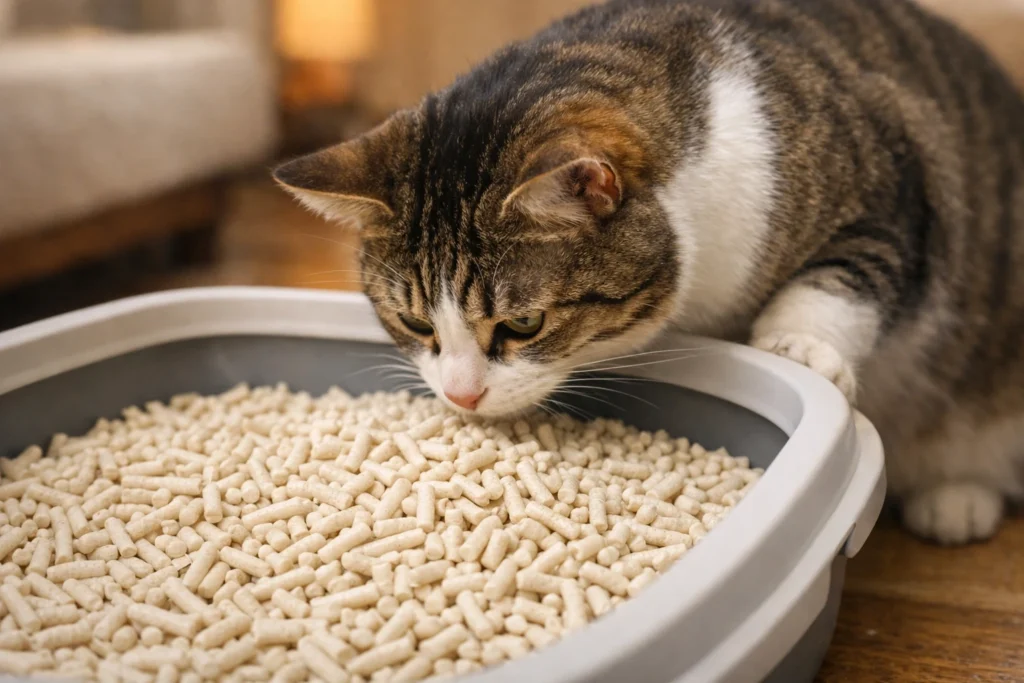
豆腐猫砂とは一体何なのか
豆腐製の猫砂は、一般的に 大豆 または~から 大豆の副産物 豆腐製造の残渣。PetMDは、天然猫砂によく使われる素材として大豆を挙げており、Cats.comでは、豆腐猫砂や大豆猫砂について、大豆そのものから作られるか、豆腐製造後の副産物から作られるかのいずれかであると説明しています。WIREDもまた、豆腐猫砂は大豆繊維から作られていると述べています。 つまり、これは粘土やシリカ製品ではありません。植物由来の猫砂のカテゴリーに属するものです。.
その違いが、製品の特性を左右します。Cats.comによると、豆腐猫砂は軽量で、床への散らかりが少なく、粉塵も少なく、吸水性に優れ、凝固力も強いとのことです。ピュリナもまた、豆腐猫砂を、優れた凝固力と消臭効果を備えた他の軽量な天然素材の猫砂と同列に挙げています。これらは、豆腐猫砂と従来の粘土系やクリスタル系の猫砂を比較検討している購入者の関心を引く、主な特徴です。.
製品ポジショニングの観点から言えば、これは重要な点です。なぜなら、豆腐猫砂は単一の機能だけで勝負しようとしているわけではないからです。 通常、この製品は「軽量」「持ち運びが楽」「粉塵が少ない」「環境に配慮した素材」「固まりやすくスコップで取りやすい」といった利点を組み合わせた形で販売されています。そのため、特に重い粘土質の猫砂の袋や、トイレ周りの過剰な粉塵を嫌う現代の多くの猫オーナーにとって魅力的な製品となっています。.
なぜ多くの猫オーナーが豆腐の猫砂を好むのか
その最大の理由の一つは ほこりが少ない. Cats.comによると、豆腐の猫砂は粉塵が少ないとのことですが、WIREDでは次のように説明しています 豆腐の敷き藁 従来の製品に比べてほこりがはるかに少ない。ピュリナはまた、空気中の粉塵を減らしたい家庭や、敏感な猫や人の肌への刺激を軽減したい家庭にとって、低粉塵の猫砂が重要であると強調している。もしほこりが粘土系猫砂に対する購入者の最大の不満点の一つであるなら、豆腐猫砂は非常に理にかなった代替品となる。.
もう一つの大きな理由は 軽量. 豆腐猫砂は、通常、一般的な粘土質の猫砂よりも持ち運びがはるかに楽です。Cats.comでは豆腐猫砂を「軽量」と説明しており、ピュリナも草や豆腐、および同様の天然素材の猫砂を、軽量な代替品として特に位置付けています。これは猫のためというよりは人間の利便性を重視した機能のように聞こえるかもしれませんが、実際の家庭では重要なポイントです。 持ち運びや投入、保管が容易なトイレ砂は、適切に管理しやすくなる傾向があります。猫にとって清潔なトイレは重要であるため、飼い主の利便性は、日常生活における猫の福祉にも影響を及ぼすのです。.
第三の理由は 凝集性能. Cats.comによると、豆腐ベースの猫砂は凝集力が強いとのことです。また、ピュリナは、天然素材の猫砂も優れた凝集力と消臭効果を発揮すると指摘しています。 固まることは重要です。なぜなら、飼い主はトイレ全体を捨てずに、使用済みの部分だけを取り除くことができるからです。Cats.comの固まる猫砂ガイドによると、固まる猫砂は、完全に交換するまでの間、トイレを乾燥した状態に保ち、清潔で新鮮な状態を維持するのに役立ちます。これは、配合が適切でしっかりと固まる場合、豆腐猫砂を選ぶ上で最も有力な実用的な理由の一つです。.
また、 エコ・ポジショニング. PetMDによると、多くの天然素材の猫砂は生分解性があり、再生可能な資源から作られているとのことです。また、Cats.comでは、豆腐猫砂について再生可能かつ生分解性であると説明しています。WIREDもまた、豆腐猫砂を従来の粘土製猫砂よりも環境に優しい選択肢として位置づけています。持続可能性を重視する購入者にとって、これは豆腐猫砂の最も明確なセールスポイントの一つです。.
なぜ豆腐の猫砂が必ずしも最良の選択肢とは限らないのか
こここそ、もっと正直になるべき点です。猫砂は軽量で、固まりやすく、環境に優しいものであっても、特定の猫にとっては最適な猫砂とは限らないのです。オハイオ州立大学によると、ほとんどの猫は粒子が細かく、無香料の猫砂を好むとのことです。 コーネル大学によると、ほとんどの猫は粒子が細かく、無香料で、固まるタイプの猫砂を好むとのことです。インターナショナル・キャット・ケア(ICC)もまた、猫は砂のような質感を持つ、粒子が細かく無香料の猫砂を好む傾向にあると述べています。多くの豆腐猫砂はペレット状で販売されているため、必ずしもその自然な好みに合致するとは限りません。.
その質感の問題は、決して些細なことではありません。Cats.comによると、豆腐製の猫砂の多くはペレット状になっているため、その感触を嫌がる猫もいるかもしれません。WIREDも、猫は猫砂の種類に非常にこだわりがあり、変更は徐々に導入すべきだと指摘しています。つまり、ある猫にとっては豆腐製の猫砂が最適でも、別の猫には完全に拒絶される可能性があるということです。 Carecon™としては、これがこのカテゴリーを過度に売り込みすぎない主な理由となっています。.
もう一つの制限は 性能とトレードオフ. Cats.comによると、豆腐猫砂は吸水性に優れていますが、粘土やシリカ製の猫砂に比べてすぐに吸水限界に達してしまうため、頻繁に排泄物をすくったり、猫砂を交換したりする必要がある場合があります。また、同サイトでは、場合によっては消臭効果が粘土やシリカ製の猫砂ほど強くない可能性もあるとしています。したがって、豆腐猫砂は全体的には非常に優れた性能を発揮しますが、すべての項目において必ずしも最高性能であるとは限りません。.
価格もまた別の問題です。Cats.comでは、豆腐や大豆由来の猫砂が高価なカテゴリーに分類されており、WIREDも豆腐猫砂は値段が高い場合があると指摘しています。つまり、この製品はある飼い主の悩みを解決する一方で、別の悩みを生み出す可能性もあるのです。だからといって、この製品が悪いというわけではありません。単に、その価値は購入者が何を最も重視するかによって左右されるということです。.
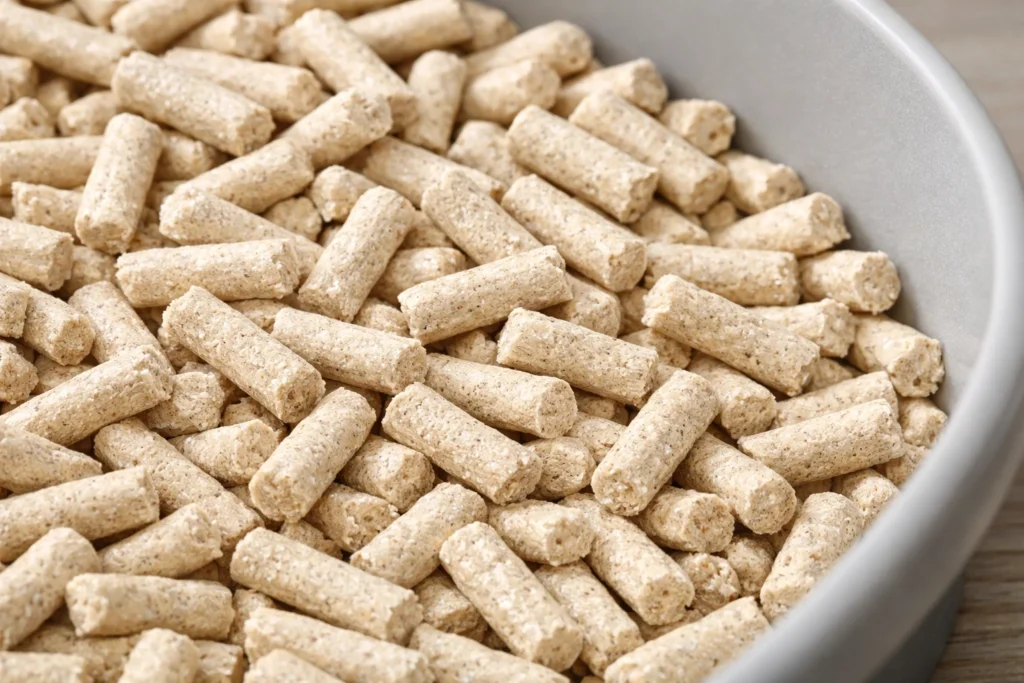
豆腐猫砂の本当のメリット
最初の大きな利点は、豆腐の猫砂が飼い主にとってしばしば より清潔な毎日の習慣. 粉塵が少なく、袋が軽く、スコップですくいやすい固まりになる猫砂は、日常のトイレのお手入れにおける負担を軽減します。飼い主の日常のルーティンが楽になれば、トイレを清潔で快適な状態に保ちやすくなります。これは重要なポイントです。なぜなら、猫が猫砂を好むかどうかは、素材だけによるものではないからです。猫が使い続けたいと思えるほど、トイレが快適な状態であるかどうかも重要な要素なのです。 コーネル大学とオハイオ州立大学はともに、トイレの問題を防ぐ一環として、トイレの設置方法と猫砂の好みを重視しています。.
2つ目の利点は 多くの豆腐のレシピでは、水分保持力が低い. Cats.comによると、豆腐猫砂は足に付着しにくいとされています。また、一部の豆腐猫砂は、足に付着する量を減らすために、あえて長めの粒状になっているものもあります。これは、トイレが生活空間のすぐそばにあるアパートや寝室、一般家庭において、大きなメリットとなります。 砂の飛び散りは、単に汚れの問題だけではありません。飼い主がトイレをどこに設置できるかという判断にも影響を及ぼします。.
3つ目の利点は 良質なフォーミュラにおける強い固まり. この点は重要です。なぜなら、すべての天然猫砂が同じように固まるわけではないからです。豆腐猫砂がすくい取りやすい固まりを作る能力は、従来のペレットタイプの猫砂よりも人気が高まった理由の一つです。 ピュリナの一般的な猫砂に関するガイダンスやCats.comの豆腐猫砂に関するセクションは、いずれも、豆腐が単なる吸収性の高いペレット素材としてだけでなく、固まる天然猫砂としても機能し得るという考えを支持しています。.
4つ目の利点は 多くの粘土製品に比べて粉塵への曝露が少ない. どの猫砂も「完全にほこりがない」とは断言しないよう注意しています。というのも、「ほこりなし」と謳う製品でも、実際には「ほこりが少ない」という意味であることがよくあるからです。とはいえ、Cats.comやWIRED、そしてCats.comのレビューで取り上げられた豆腐猫砂の製品テストでは、一貫して「ほこりが少ない」と評されています。 トイレ周辺の目に見えるホコリを特に減らしたいと考えている購入者にとって、豆腐猫砂は真剣に検討する価値があります。.
豆腐猫砂の本当の欠点
最大の欠点はやはり 猫の受け入れ. トイレ砂がペレット状の場合、その感触が気に入らない猫もいます。特に、すでに好き嫌いの多い猫や、トイレを避ける傾向がある猫、あるいは柔らかい砂状のトイレ砂を強く好む猫の場合は、このリスクが特に重要です。 オハイオ州立大学、コーネル大学、およびインターナショナル・キャット・ケア(ICC)はいずれも、多くの猫にとってより安全な標準的な選択肢として、粒子が細かく無香料の猫砂を推奨しています。.
もう一つの欠点は 湿度および保管条件への感受性. WIRED誌によると、豆腐製の猫砂は湿度の高い環境下でカビが生える可能性があり、Cats.comも、豆腐や大豆製の猫砂は適切に保管されないと、特に湿度の高い環境ではカビが生えやすいと指摘しています。これは、熱帯地域、沿岸部、あるいは湿度の高い地域に住む購入者にとって、非常に現実的な問題です。 植物由来の猫砂は持続可能性の観点から魅力的かもしれませんが、それでも乾燥した場所で保管し、適切な頻度で交換する必要があります。.
また、次のような問題もあります 飽和までの時間が短く、交換頻度が高い 一部の製品では。Cats.comによると、豆腐製の猫砂は粘土やシリカ製の猫砂よりも早く水分を吸収してしまうため、頻繁にすくったり交換したりする必要があるとのことです。つまり、このカテゴリーの利点があっても、日常的な手入れが不要になるわけではありません。特に多頭飼いの家庭などでは、このトレードオフが非常に重要な要素となります。.
最後に、豆腐のくずはしばしば より高価 一般的な粘土系猫砂に比べて。飼い主が、粉塵の低減や軽量性、環境への配慮よりも価格の安さを重視する場合、豆腐猫砂は最適な選択肢とは言えないかもしれません。これが、豆腐猫砂をあらゆる種類の猫砂の万能な代替品としてではなく、プレミアム商品や特徴を前面に押し出した商品として販売すべきだと私たちが考える理由の一つです。.
では、豆腐は猫にとって良いのでしょうか、それとも飼い主にとって良いのでしょうか?
最も正確な答えは、豆腐の敷き藁はしばしば オーナーにとって最善の選択, 、そして猫にはさらに良い もし猫がそれを受け入れてくれるなら. 飼い主は通常、ほこりの減少、袋の軽量化、持ち運びのしやすさ、そして見た目がきれいな固まりに気づきます。一方、猫は質感、香り、そしてトイレの清潔さに注目します。コーネル大学とオハイオ州立大学の研究によると、猫の好みが依然として最も重要であることが明らかになっています。したがって、豆腐猫砂が有力な選択肢となるのは、飼い主にとって便利な特徴と猫の好みが一致した場合に限られます。.
Carecon™では、このような正直なマーケティング表現を用いてこのカテゴリーを位置づけるでしょう。私たちは、豆腐系猫砂が「すべての猫にとって最適」だとは決して言いません。 その代わりに、「植物由来で、ほこりの少ない、固まるタイプの猫砂を求めており、かつ愛猫がペレット状や豆腐のような質感の猫砂を問題なく受け入れる飼い主にとって、賢明な選択肢である」と伝えます。これこそがより信頼性の高い主張であり、実証データに裏付けられた内容に近いのです。.
豆腐の猫砂が最も適している場合
購入者が最も重視する点が以下の場合、豆腐の敷き材が最も理にかなっています ほこりが少ない, 軽量化, 塊の除去, 、そしてさらに 環境に配慮した素材. また、猫がドライフードの食感にあまり敏感でない場合にも適しています。ピュリナの比較ガイドやCats.comのカテゴリーガイドも、豆腐を、固まりやすく消臭効果もある軽量な自然派フードとして推奨しています。.
特に、重い粘土製の猫砂が扱いにくいと感じるご家庭や、目に見えるほこりが毎日の悩みの種となっているご家庭、あるいはより環境に優しい猫砂素材を重視して購入しているご家庭では、この製品は非常に重宝するでしょう。これらは決して些細な問題ではありません。多くの家庭において、まさにこうした理由から、飼い主たちは粘土製の猫砂以外の選択肢を探し始めるのです。.
豆腐の猫砂が最適ではない場合
猫がすでにトイレへの抵抗感を持っている場合や、過去に異質な質感の猫砂を拒否したことがある場合は、おそらく最適な選択とは言えません。そのような場合、コーネル大学、オハイオ州立大学、およびインターナショナル・キャット・ケア(ICC)はいずれも、猫が本来好む傾向にあるもの――つまり、粒が細かく無香料の猫砂――に近づけるよう、慎重に導入することを推奨しています。.
また、湿度の高い保管環境や、コストを特に重視するご家庭、あるいはペレットのサイズや製品の種類を気にせず、トイレとの互換性を最大限に高めたいという場合にも、本製品は適さない可能性があります。一部のレビューやテスト情報では、特定の自動猫用トイレは、ペレットタイプの代替品ではなく、従来の凝固性粘土を前提に設計されていると指摘されており、実際の使用においてこれが問題となる場合があります。.
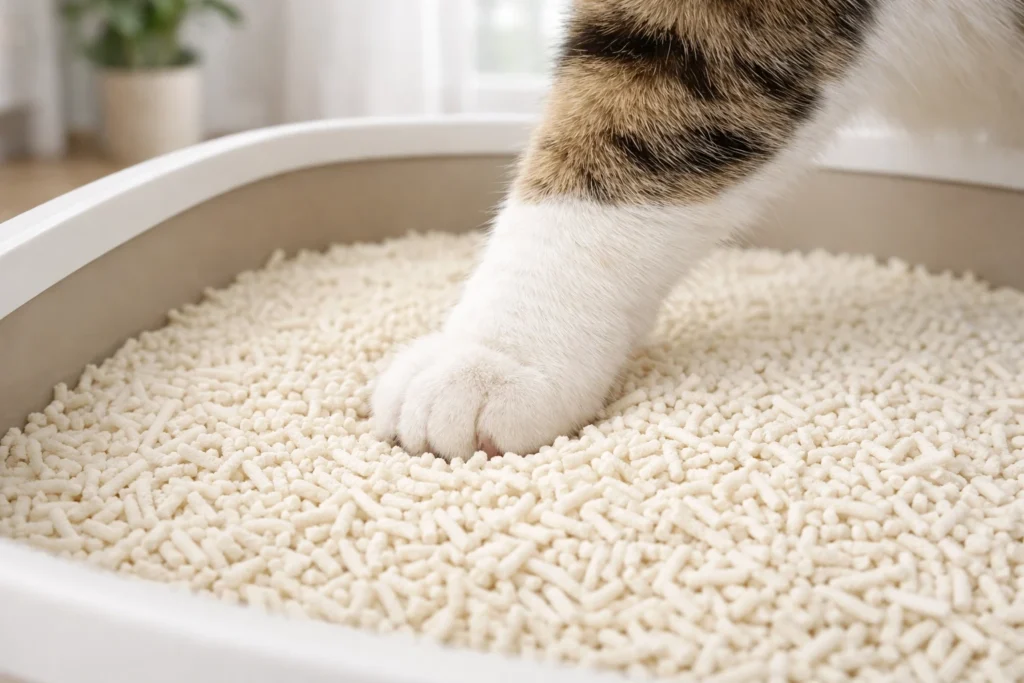
豆腐猫砂への切り替え方:正しい方法
豆腐猫砂を試してみたい場合は、急に切り替えないでください。ピュリナでは、新しい猫砂を古い猫砂に少しずつ混ぜていくことを推奨しています。 7~10日, 、その割合を徐々に増やしていくようにします。また、インターナショナル・キャット・ケア(ICC)は、猫砂の種類を変える際は、急激な変更を避け、慎重に行うべきだと述べています。これは、たとえ非常に優れた猫砂であっても、猫にとって変更が急激すぎると効果が得られなくなる可能性があるため、重要な点です。.
ピュリナ社はまた、移行期間中はトイレを2つ用意することを推奨しています。1つには従来の砂を、もう1つには新しい砂を入れておきます。そうすることで、猫が適応期間中に自分のペースで対応できるようになります。もし猫が躊躇したり、トイレの使用頻度が減ったり、不自然な姿勢で座ったり、あるいはトイレを避けるようになったりした場合は、それが重要な手がかりとなります。 製品が猫に合っていないか、あるいは切り替えのペースが速すぎる可能性があります。.
Carecon™の立場から言えば、これは議論全体の中で最も重要な実践的なステップの一つです。適切な猫砂の選び方は、単に製品の仕様だけではありません。猫がそれを受け入れるかどうかが重要です。切り替え方法は、製品の効果の一部なのです。.
ケアコン™の見解
で ケアコン, 、私たちは豆腐が 良い猫用トイレ砂, ……とはいえ、万能な製品というわけではありません。植物由来で、ほこりが少なく、軽量で、固まりやすい猫砂を求めている購入者にとって、かつ猫がその使用感を気に入ってくれる場合には適しています。一方、猫が柔らかく砂のような触感の猫砂を強く好む場合、保管場所の湿気が問題となる場合、あるいは購入者が低価格を最優先事項としている場合には、あまり適していません。.
また、豆腐猫砂の真の強みを前面に打ち出すことが、最も説得力のあるアプローチだと考えています: ほこりが少なく、扱いやすく、再生可能な素材で、すくいやすい固まり. コーネル大学、オハイオ州立大学、およびインターナショナル・キャット・ケア(ICC)による行動指針では、そのような一律的な主張は支持されていないため、この製品を「すべての猫にとって自動的に最適な猫砂」として販売すべきではありません。.
結論
豆腐は猫のトイレ砂として適していますか? はい、その通りです。軽量でほこりが少なく、植物由来の固まる猫砂を求めており、その利点のために多少高くても構わないという飼い主さんにとっては、しばしば良い選択肢となります。また、ほこりや猫砂の運搬が大きな悩みとなっているご家庭では、重い粘土質の猫砂に代わる賢い選択肢となるでしょう。.
しかし、豆腐猫砂がすべての猫にとって自動的に最適な猫砂であるとは限りません。多くの猫は依然として、きめが細かく無香料の猫砂を好むほか、ペレット状の豆腐猫砂は、すべての猫にとって自然な感触とは感じられないかもしれません。最良の豆腐猫砂とは、あなたの猫が実際に快適かつ継続的に使ってくれるものです。Carecon™にとって、それが最も有用であり、かつ最も正直な答えなのです。.