
هل تعمل وسادات التبول المعطرة للكلاب؟ في كثير من الحالات، نعم، يمكن أن تساعد. لكنها لا تعمل كزر سحري. في Carecon™، نعتبر الفوط المعطرة أداة مساعدة، وليست حلاً كاملاً لتدريب الكلاب على استخدام المرحاض. يمكن أن تساعد الرائحة في توجيه بعض الكلاب نحو الفوطة. ومع ذلك، فإن العوامل الأكثر أهمية هي الروتين والإشراف ووضع الفوطة والثناء السريع بعد النجاح. وهذا هو أيضًا اتجاه إرشادات تدريب الكلاب من VCA و AKC و Humane World for Animals و RSPCA، والتي تؤكد جميعها على الاتساق والتعزيز الإيجابي بدلاً من الاختصارات.
ما يربك المشترين في كثير من الأحيان هو كلمة معطر. في السوق، يمكن أن تعني شيئين مختلفين. تستخدم بعض الوسادات رائحة جاذبة تهدف إلى جذب الكلب نحو منطقة المرحاض. يستخدم آخرون رائحة منعشة أو عطر منعش أو عطر مضاد للروائح مخصص لأنف الإنسان أكثر من الكلب. تحاول بعض المنتجات القيام بالأمرين معاً. يصف متجر AKC الخاص بـ AKC وسادات برائحة منعشة مع جاذب مدمج، وتبيع NaturVet رذاذًا لتدريب الكلاب على استخدام الحمام يقول إن رائحته الجذابة تشجع الكلاب على التبول في المكان الذي يتم وضعه فيه.
لذا فإن الإجابة المختصرة هي يمكن أن تعمل ضمادات التبول المعطرة مع بعض الكلاب، لكنها لا تعمل مع كل كلب، وهي تعمل بشكل أفضل عندما تكون طريقة التدريب سليمة بالفعل. هذه هي الإجابة الأكثر صدقًا من وجهة نظر المنتج والتدريب. تهتم الكلاب بالرائحة بشدة، لكن الرائحة وحدها لا تكفي لتعليم العادة. VCA يشير إلى أن الكلاب تكرس قدرًا كبيرًا من قوة الدماغ للشم ويمكنها اكتشاف الروائح بشكل أفضل بكثير من البشر. في الوقت نفسه، تقول إرشادات التدريب المنزلي في جمعية الكلاب المدربة في جمعية الكلاب المدربة في فيلادلفيا أن الأساس الحقيقي للنجاح هو التكييف والاتساق والإشراف والتعزيز الإيجابي.
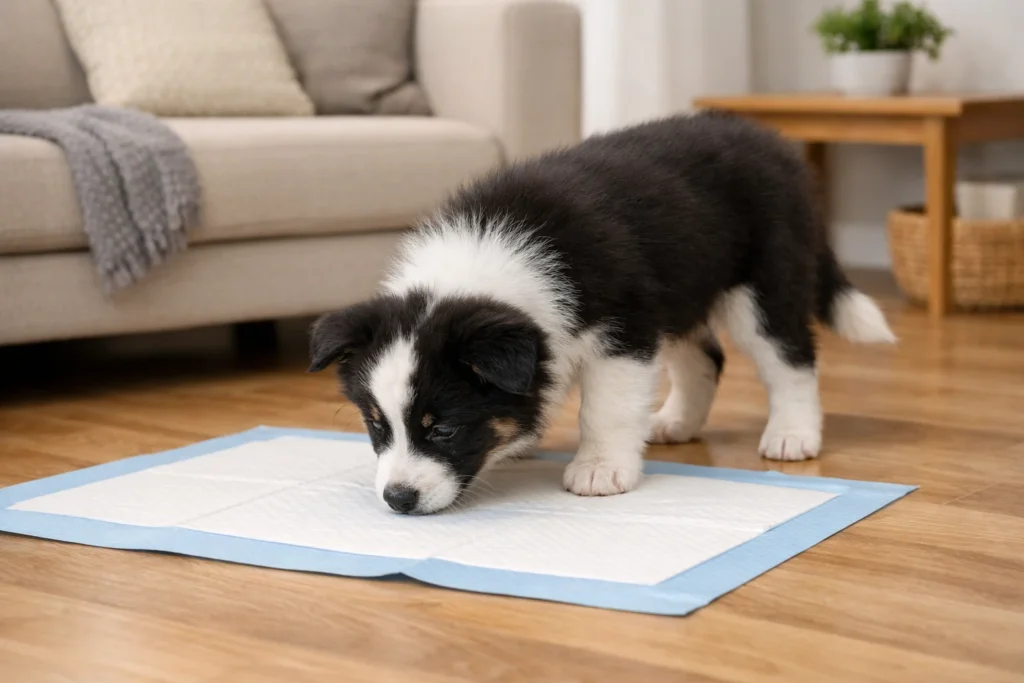
ما المفترض أن تفعله ضمادات البول المعطرة
A وسادة تبول معطرة عادة ما تكون مصممة للقيام بواحدة من ثلاث وظائف. أولاً، قد تحاول أن تجعل الفوطة أسهل على الكلب أن يلاحظها. ثانياً، قد تحاول أن تجعل رائحة الفوطة تبدو وكأنها مكان مقبول لقضاء الحاجة. ثالثًا، قد تحاول تقليل رائحة البول في المنزل بعد الاستخدام. هذا هو السبب في أن بعض المنتجات تتحدث عن المواد الجاذبة، وبعضها يتحدث عن روائح العشب أو الفيرومون، وبعضها يركز أكثر على التحكم في الرائحة. يشير بوند فيت إلى أن بعض الفوط تستخدم بعض الفوط مواد جاذبة تهدف إلى محاكاة العشب أو الأمونيا أو الفيرومونات. تظهر قوائم منتجات AKC أيضًا أن الفوط المعطرة القائمة على الجاذبية هي ميزة قياسية في هذه الفئة.
من وجهة نظرنا في شركة Linyi CareCon للاستيراد والتصدير المحدودة للاستيراد والتصدير (Linyi CareCon Import & Export Co., Ltd.)، فإن منطق المنتج هذا منطقي. فالكلاب لا تقرأ الملصقات. إنها تستجيب للإشارات. الوسادة التي تعطي إشارة مفيدة قد تجعل الكلب يتحرى عنها في وقت مبكر. وهذا أمر ذو قيمة في الأيام الأولى من التدريب، عندما يحاول الملاك إنشاء روتين نظيف وقابل للتكرار لقضاء الحاجة.
ومع ذلك، فإن الإشارة المفيدة ليست مثل العادة الموثوقة. فقد يشم الكلب الوسادة ومع ذلك يبتعد. قد يلاحظ الكلب الوسادة ولكنه يفضل سطحًا آخر. قد يتعلم الكلب أيضًا استخدام وسادة غير معطرة جيدًا إذا كان الروتين قويًا بما فيه الكفاية. هذا هو السبب في أن السؤال ليس فقط “هل تعمل الرائحة؟ السؤال الأفضل هو ”هل تساعد الرائحة بما يكفي لتحسين التدريب في المنزل الحقيقي؟ بناءً على إرشادات التدريب التي تمت مراجعتها هنا، يعتمد ذلك على الكلب وعلى كيفية استخدام الوسادة.
لماذا يمكن للرائحة أن تساعد بعض الكلاب
الكلاب حيوانات تعتمد على الرائحة. تقول جمعية الكلاب البوليسية أن الكلاب لديها أكثر من 100 مليون موقع مستقبلات حسية في تجويف الأنف، مقارنة بحوالي 6 ملايين في البشر، ويخصص دماغ الكلاب مساحة أكبر بكثير لتحليل الرائحة مقارنة بدماغ الإنسان. هذا لا يثبت أن كل وسادة معطرة ستعمل. لكنه يفسر سبب أهمية الرائحة أثناء التدريب على استخدام المرحاض. يلاحظ الكلب إشارات الرائحة أكثر بكثير مما يلاحظه الإنسان.
هناك أيضًا دعم تدريبي عملي لهذه الفكرة. ينصح الصليب الأزرق أنه إذا كان الجرو قد استخدم الجرائد أو الفوط الصحية طوال الليل، فيمكن للمالكين وضع بعض المواد المتسخة في منطقة المرحاض الخارجية لأن الرائحة تساعد الجرو على معرفة أين يذهب. تقول جمعية RSPCA كوينزلاند شيئًا مشابهًا. هذا ليس هو نفسه العطر المضاف من المصنع، لكنه يظهر أن إشارات الرائحة يمكن أن تساعد الكلاب على ربط المكان بقضاء الحاجة.
هذا الأمر مهم لأن الفوطة المعطرة الجيدة تحاول أن تستعير من هذا النمط الطبيعي. فهي تحاول أن تجعل مكان المرحاض الصحيح أكثر وضوحًا من المكان الخاطئ. في بعض المنازل، يمكن أن يقلل ذلك من الارتباك في المرحلة الأولى من التدريب. هذا ينطبق بشكل خاص على الجراء وكلاب الشقة والأسر التي تحتاج إلى خيار داخلي لجزء من اليوم. تقول AKC إن منصات التدريب يمكن أن تلعب دورًا للجراء الصغيرة جدًا وسكان الشقق والأشخاص الذين يحتاجون إلى الحد من التعرض الخارجي قبل اكتمال التطعيمات. يقول عالم الرفق بالحيوان للحيوانات أيضًا إن خيارات النونية الداخلية مثل وسادات التبول يمكن أن تكون مفيدة عندما يتعين على المالكين ترك الجرو بمفرده.
لماذا الرائحة وحدها لا تكفي
هذا هو الجزء الذي لا تذكره العديد من صفحات المنتجات بوضوح كافٍ. فوط التبول المعطرة لا تعلم التوقيت أو الروتين أو ضبط النفس. قد تدعم التدريب، لكنها لا تحل محل التدريب. تقول VCA أن التدريب المنزلي يتعلق بتدريب الكلاب على التخلص من الكلاب في المكان المناسب. يقول AKC إن الروتين والاتساق أمران أساسيان. يحذر عالم الرفق بالحيوان للحيوانات أيضًا من أن التدريب على استخدام النونية في الأماكن المغلقة يمكن أن يجعل اقتحام المنزل في الهواء الطلق يستغرق وقتًا أطول. لذلك حتى عندما تساعد الوسادة المعطرة في الداخل، لا يزال المالك بحاجة إلى خطة.
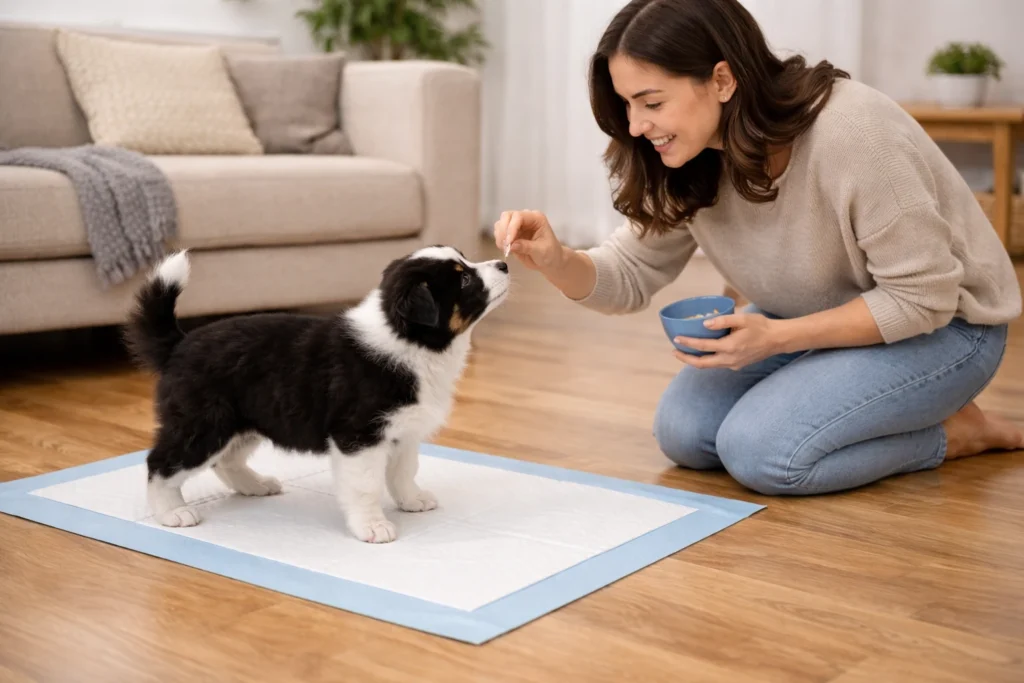
وهذا يعني أنك لا تزال بحاجة إلى موقع واحد ثابت للوسادة. ما زلت بحاجة إلى اصطحاب الجرو إلى هناك كثيرًا. AKC يقول إن الجراء الصغيرة جدًا قد تحتاج إلى رحلات كل 15 دقيقة في بعض المراحل. لا يزال عليك مراقبة علامات مثل الشم أو الدوران أو الأنين. يسرد الصليب الأزرق علامات مماثلة ويقول إنه يجب على المالكين الإشراف عن كثب في الأشهر الأولى. لا تزال بحاجة إلى الثناء الفوري عندما يستخدم الكلب المكان المناسب. لا يختفي أي من هذا العمل لأن الوسادة لها رائحة.
في Carecon™، نعتقد أن هذا هو المكان الذي يجب أن تلتقي فيه أفضل المنتجات بأفضل برامج التدريب. يجب أن تسهل الوسادة عملية التدريب. ولا ينبغي أن تعد بنتائج لا يمكن تحقيقها إلا من خلال الممارسة المنتظمة. فهذه رسالة أفضل للعملاء على المدى الطويل، كما أنها تعزز الثقة.
عندما تعمل الفوط المعطرة عادةً بشكل أفضل
تميل الفوط المعطرة إلى العمل بشكل أفضل في المواقف التي يكون فيها الكلب لديه بالفعل فرصة عادلة للنجاح. يتضمن ذلك جروًا صغيرًا يتم اصطحابه إلى الوسادة في الأوقات المناسبة، أو كلبًا صغيرًا في شقة بها منطقة مرحاض واحدة ثابتة، أو كلبًا فضوليًا بالفعل ومستعدًا لشم الأسطح الجديدة. في تلك الحالات، قد تجعل الرائحة الوسادة أكثر وضوحًا وقد تزيد قليلاً من فرصة استخدام الكلب لها بدلاً من الأرضية القريبة. هذا استنتاج من كيفية استخدام الكلاب للرائحة ومن كيفية تسويق واستخدام مساعدات التدريب، وليس دليلاً على أن العطر وحده هو الذي يؤدي إلى النتيجة.
قد تساعد أيضًا عندما يحتاج المالك إلى إنشاء إشارة قوية في الأماكن المغلقة بسرعة. رذاذ التدريب من NaturVet، على سبيل المثال، يخبر المالكين برش المنطقة الداخلية المفضلة، والحفاظ على الموقع ثابتًا، واستخدام الثناء عندما يتخلص الكلب هناك. تتطابق هذه النصيحة مع إرشادات التدريب الأوسع نطاقًا من VCA و AKC. وبعبارة أخرى، يتم التعامل مع الرائحة كإشارة داخل نظام التدريب، وليس كحل قائم بذاته.
الكلاب الأكبر سناً هي حالة أخرى قد تكون فيها الوسادة مفيدة، على الرغم من أن ميزة الرائحة قد لا تكون السبب الرئيسي. يقول بلو كروس إن الكلاب الأكبر سنًا قد تحتاج إلى المزيد من فرص قضاء الحاجة في الداخل وتستفيد من روتين مألوف. في هذا الإعداد، قد تكون سهولة الوصول والاتساق أكثر أهمية من العطر. ومع ذلك، إذا كانت الوسادة المعطرة تساعد الكلب الكبير في ملاحظة منطقة المرحاض بشكل أسرع، فقد يكون ذلك مفيدًا.
عندما لا تعمل الفوط المعطرة بشكل جيد
لا تعمل الفوط المعطرة بشكل جيد عندما لا تكون المشكلة الحقيقية هي جذب الفوطة. على سبيل المثال، إذا كانت الفوطة في المكان الخطأ، فقد يستمر الكلب في فقدانها. إذا كان المنزل يحتوي على الكثير من الأسطح الناعمة التي تشبه الفوطة، فقد يظل الكلب مرتبكًا. إذا قام المالك بتغيير منطقة المرحاض طوال الوقت، فقد يحصل الكلب على إشارات مختلطة. إذا كان الكلب يعاني من مشكلة طبية، فلن تحل رائحة الفوطة هذه المشكلة. تقول جمعية RSPCA إن قضاء الحاجة في الأماكن المغلقة يمكن أن يحدث لأسباب مختلفة، بما في ذلك الصحة أو نقص التدريب، وتنصح المالكين بالتحدث مع طبيب بيطري إذا كانوا قلقين.
كما أن بعض الكلاب لا تستجيب بشكل جيد للروائح الجذابة. يقول بوند فيت إن هذه الروائح يمكن أن تكون سيفًا ذا حدين. قد تلعب بعض الكلاب بالوسادة أو حتى تنام عليها، بينما لا يتأثر البعض الآخر. هذه نقطة مفيدة لأنها تفسر لماذا غالبًا ما تكون مراجعات المالك على الفوط المعطرة مختلطة. الميزة حقيقية، لكن استجابة الكلب فردية.
هناك مشكلة أخرى أيضاً. يشتري بعض المالكين الفوط المعطرة على أمل أن تتغلب الرائحة على عادات التدريب الضعيفة. وعادة ما ينتهي ذلك بالإحباط. إذا تُرك الكلب لفترة طويلة جدًا بين فترات استراحة المرحاض، أو إذا تمت معاقبة الكلب على الحوادث، أو إذا لم يتم تنظيف البقع المفقودة جيدًا، فإن التقدم يتباطأ. تقول جمعية RSPCA أنه لا يجب على المالكين معاقبة الكلب على الحوادث. يقول الصليب الأزرق إنه يجب تجنب المنظفات التي تحتوي على الأمونيا مثل المبيض لأنها قد تشجع الجرو على استخدام نفس المنطقة مرة أخرى.
لذلك إذا سألنا أحد العملاء عما إذا كانت الفوط المعطرة “تعمل”، فإن إجابتنا الصادقة هي: إنها تعمل بشكل أفضل عندما يكون الروتين المنزلي صحيحًا بالفعل. فهي تعمل بشكل سيء عندما يتم التعامل معها كبديل عن التدريب.
الضمادات المعطرة مقابل الضمادات غير المعطرة
هذا هو المكان الذي غالباً ما يريد فيه المشترون فائزاً واضحاً. في الاستخدام الحقيقي، لا يوجد فائز عالمي.
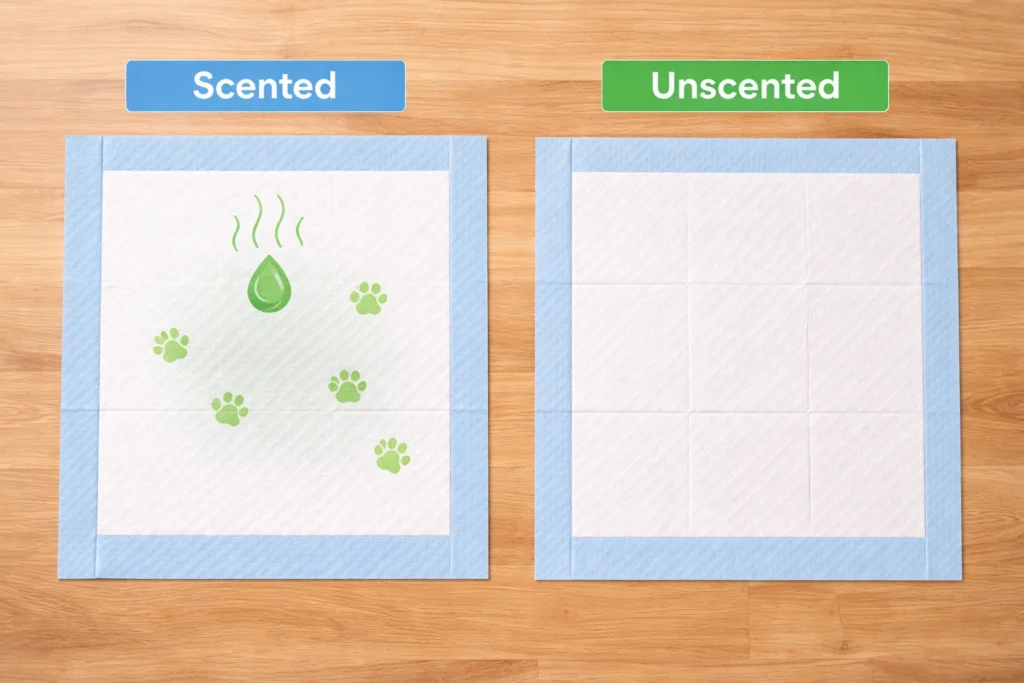
قد تقدم الفوط المعطرة إشارة أولى أفضل لبعض الكلاب. قد تبدو أيضًا أكثر فائدة للمالكين الذين يريدون التحكم في الرائحة في المنزل. قد تكون الفوط غير المعطرة مناسبة بشكل أفضل للكلاب التي تبدو مشتتة بسبب الروائح المضافة أو للمالكين الذين يريدون أبسط منتج ممكن. استنادًا إلى المصادر التي تمت مراجعتها هنا، فإن أقوى الإرشادات العامة لا تقول أن الفوط المعطرة تتفوق دائمًا على الفوط غير المعطرة. والاتفاق الأوضح هو أن الاتساق والإشراف والثناء هو الأكثر أهمية.
| نوع الوسادة | أفضل ملاءمة | الميزة الرئيسية | القيد الرئيسي |
|---|---|---|---|
| وسادة تبول معطرة | الجراء التي تستجيب بشكل جيد لإشارات الرائحة | قد يساعد الكلب على ملاحظة الوسادة أو استكشافها بشكل أسرع | تتجاهل بعض الكلاب الرائحة أو تتشتت بسببها |
| وسادة تبول غير معطرة | الكلاب التي تعمل بشكل جيد مع التدريب الروتيني البسيط القائم على الروتين | منتج مباشر مع عدد أقل من المتغيرات الحسية | قد تقدم إشارات أولية أقل لبعض الكلاب |
من منظور تطوير المنتجات، هذا هو السبب في أهمية التوازن في الترويج للمنتج. في Carecon™، لا نرغب أبدًا في إقناع أصحاب الحيوانات الأليفة بأن ميزة رائحة واحدة فقط كفيلة بحل مشكلة التدريب على قضاء الحاجة في المكان المخصص. بل إن الوعد الأفضل هو أن الفوطة المناسبة يمكن أن تساعد في اتباع روتين أنظف وأكثر انتظامًا.
كيفية جعل وسادة التبول المعطرة تعمل بشكل أفضل
ضع الوسادة في مكان واحد ثابت. لا تستمر في تحريكها إلا إذا كنت تتبع خطة انتقال واضحة. يقول VCA أنه يمكن تعليم الكلاب التخلص من الكلاب في أماكن داخلية محددة، لكن الاتساق هو المفتاح. تؤكد AKC أيضًا على الجداول الزمنية والروتين.
اصطحب الكلب إلى الوسادة في أوقات متوقعة. يقول AKC أن هذا قد يكون متكررًا جدًا مع الجراء الصغيرة. يقول بلو كروس إن الأوقات الرئيسية تشمل أول شيء في الصباح، وآخر شيء في الليل، وبعد تناول الطعام أو الاستيقاظ أو الإثارة.
امدح النجاح على الفور. هذا التوقيت مهم. يحتاج الكلب إلى ربط الفعل بالمكافأة. يدعم كل من VCA و RSPCA التعزيز الإيجابي للتدريب المنزلي.
نظف الفوات بشكل جيد. الكلاب تتبع الرائحة. تقول RSPCA إن التنظيف الشامل يقلل من فرصة استخدام نفس المنطقة الخاطئة مرة أخرى. يقول الصليب الأزرق تجنب المنظفات التي تحتوي على الأمونيا مثل المبيض.
اجعل هدفك واضحًا. إذا كان الهدف النهائي هو قضاء الحاجة في الهواء الطلق، فلا تدع الوسادة الداخلية تصبح إشارة مختلطة دائمة عن طريق الصدفة. تقول منظمة عالم الرفق بالحيوان للحيوانات إن التدريب على استخدام النونية في الأماكن المغلقة يمكن أن يجعل اقتحام المنزل في الهواء الطلق يستغرق وقتًا أطول، لذلك يجب التخطيط للانتقال.
ما نؤمن به في كيركون™
في Carecon™، نؤمن بأن الحل الأمثل لا يكمن في التطرف. فالحقيقة ليست أن “المناديل المعطرة تنجح دائمًا”، ولا أن “المناديل المعطرة مجرد حيلة تسويقية”. بل الحقيقة تكمن في الوسط. تستجيب الكلاب للرائحة. هذا الجزء حقيقي. إن سوق الفوط الجاذبة وبخاخات التدريب موجود لسبب ما. لكن ميزة الرائحة تعمل بشكل أفضل كجزء من طريقة تدريب كاملة على استخدام المرحاض مبنية على التوقيت والتكرار والمكافأة.
كما نعتقد أيضاً أن جودة المنتج تتعدى الرائحة. فالقدرة على الامتصاص ومقاومة التسرب وجفاف السطح وإحكام إغلاق الحواف والحجم كلها تشكل التجربة الحقيقية للمالك. قد يلاحظ الكلب الوسادة بسبب الرائحة، لكن المالك يتذكر ما إذا كانت الأرضية جافة أم لا. يجب أن يسير تصميم المنتج الجيد وإرشادات التدريب الصادق معًا.
الخاتمة
هل تعمل وسادات التبول المعطرة للكلاب؟ نعم، يمكن أن تساعد في كثير من الأحيان، خاصةً مع الجراء أو إعدادات التدريب في الأماكن المغلقة حيث تسهل ملاحظة منطقة المرحاض. لكنها لا تعمل بمفردها. لا تزال أفضل النتائج تأتي من موقع واحد ثابت، والإرشاد المتكرر، والإشراف الهادئ، والثناء الفوري. هذا هو الخيط المشترك عبر إرشادات التدريب من VCA و AKC و Humane World للحيوانات و RSPCA و Blue Cross.
بالنسبة لـ كيركون ™ Carecon, ، فإن الطريقة الأكثر دقة لوضع وسادات التبول المعطرة هي: إنها وسيلة مساعدة مفيدة في التدريب، وليست اختصارًا. بالنسبة لبعض الكلاب، فإن ميزة الرائحة تمنح المالك ميزة إضافية. بالنسبة للآخرين، لا تحدث فرقًا كبيرًا. لا تزال الوسادة بحاجة إلى الروتين الصحيح حولها. عندما يفهم المشترون ذلك، فإنهم يتخذون خيارات أفضل ويحصلون على نتائج أفضل في المنزل.