
في كيركون ™ Carecon, a وسادة تدريب الحيوانات الأليفة ليست مجرد ملاءة يمكن التخلص منها. نحن نراها منتجاً عملياً للعناية بالحيوانات الأليفة يساعد أصحابها على بناء مرحاض أنظف وأكثر استقراراً في المنزل. في الاستخدام اليومي، يشير المصطلح عادةً إلى وسادة نونية داخلية ماصة للجراء والكلاب. تتعامل الإرشادات الرئيسية للعناية بالحيوانات الأليفة أيضًا مع وسادات التبول كأداة تدريب حقيقية في الأماكن المغلقة، على الرغم من أن العديد من المنازل لا تزال تهدف إلى عادات قضاء الحاجة في الهواء الطلق لاحقًا.
تمنح وسادة تدريب الحيوانات الأليفة الكلب مكانًا واحدًا واضحًا للتبول داخل المنزل. وهذا أمر مهم للغاية في المرحلة المبكرة من التدريب المنزلي، عندما يكون الجرو لا يزال لديه تحكم محدود في المثانة ويحتاج إلى فترات راحة متكررة لقضاء الحاجة. AKC يشير إلى أن الفوط الصحية يمكن أن تلعب دورًا مفيدًا للجراء الصغيرة جدًا، وسكان الشقق، والمالكين المسنين، والمنازل التي ترغب في تقليل التعرض المبكر لأماكن المراحيض العامة قبل أن يتم تطعيم الجرو بالكامل. يلاحظ عالم الرفق بالحيوان للحيوانات أيضًا أن خيارات النونية الداخلية مثل وسادات التبول يمكن أن تساعد عندما يجب أن يكون المالكون بعيدًا، على الرغم من أن التدريب الداخلي يمكن أن يجعل اقتحام المنزل في الهواء الطلق يستغرق وقتًا أطول.
بالنسبة لنا في شركة Linyi CareCon للاستيراد والتصدير المحدودة للاستيراد والتصدير (Linyi CareCon Import & Export Co., Ltd.)، هذا هو سبب أهمية الفئة. تقوم وسادة التدريب الجيدة بأكثر من مجرد التقاط السوائل. فهي تدعم الروتين. تقلل من إجهاد التنظيف. وتمنح المالكين مزيدًا من التحكم خلال جزء من حياة الحيوانات الأليفة الذي غالبًا ما يبدو فوضويًا ويصعب إدارته.
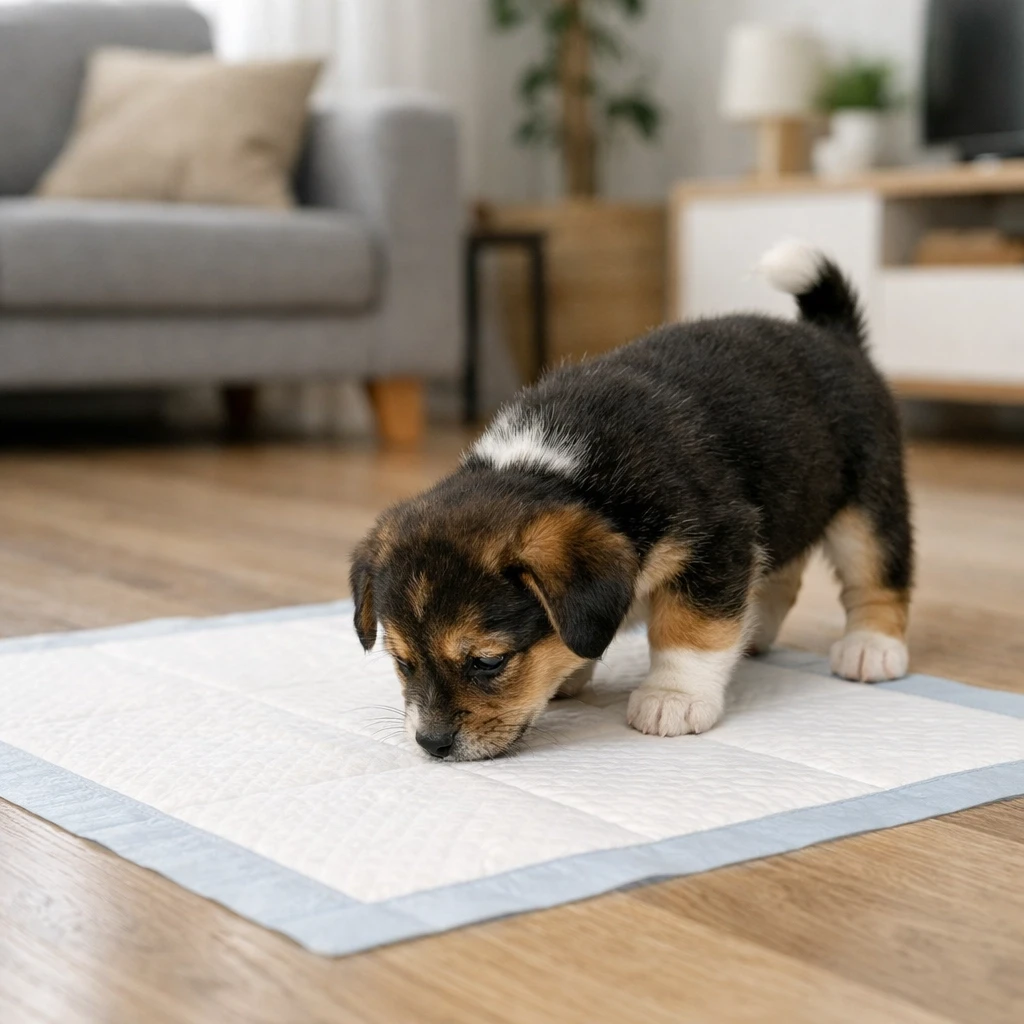
لماذا يستخدم العديد من أصحاب الحيوانات الأليفة وسادات تدريب الحيوانات الأليفة
السبب الأكثر شيوعاً بسيط. تحتاج الجراء الصغيرة للذهاب في كثير من الأحيان. تقول AKC أن القاعدة الشائعة هي أن الجرو يمكنه عادةً الاحتفاظ بمثانته لمدة ساعة تقريبًا كل شهر من العمر. هذا يعني أن جروًا يبلغ من العمر ثمانية أسابيع قد يحتاج إلى فرصة قضاء حاجته كل ساعتين تقريبًا. تساعد الفوط الصحية المالكين على إدارة هذه المرحلة بطريقة واقعية، خاصةً خلال الأسابيع الأولى في المنزل.
الفوط الصحية مفيدة أيضاً في المنازل التي لا تكون فيها الاستراحات الخارجية سهلة دائماً. ويشمل ذلك العيش في الشقق، والطقس السيئ، ورحلات المصاعد الطويلة، واحتياجات المرحاض في وقت متأخر من الليل، وجداول العمل التي تجعل الرحلات الخارجية المستمرة صعبة. تقول منظمة عالم الرفق بالحيوان للحيوانات إن خيارات النونية الداخلية يمكن أن تساعد عندما يضطر المالكون إلى ترك الجرو بمفرده لجزء من اليوم. تشير AKC أيضًا إلى أن الوسادات قد تساعد المالكين الذين ليس لديهم فناء خلفي خاص أو الذين يرغبون في الحد من اتصال الجرو الصغير بأماكن المراحيض العامة في وقت مبكر جدًا.
الكلاب الأكبر سناً هي مجموعة أخرى مهمة. يقول بلو كروس إن الكلاب الأكبر سنًا قد تحتاج إلى المزيد من فرص قضاء الحاجة، وروتين ثابت، ومنصات جرو داخلية إذا بدأت الحوادث في الحدوث. يلاحظ AKC أيضًا أن التدريب على استخدام النونية في الأماكن المغلقة يمكن أن يساعد بعض الكلاب الكبيرة، خاصةً عندما يجعل العمر توقيت الخروج في الهواء الطلق أكثر صعوبة. لذلك في حين أن العديد من المشترين يفكرون أولاً في منصات الجراء للكلاب الصغيرة، فإن المنتج له قيمة أيضًا للحيوانات الأليفة المسنة وللمالكين الذين يحتاجون إلى خيار مرحاض احتياطي في الداخل.
هذا هو أحد الأسباب التي تجعلنا نكتب عن المنتج من وجهة نظر الرعاية، وليس فقط من وجهة نظر المبيعات. تعمل وسادة التدريب بشكل أفضل عندما تناسب مرحلة حياة الحيوان الأليف والروتين اليومي للمالك.
كيف تعمل وسادة تدريب الحيوانات الأليفة
تعمل وسادة تدريب الحيوانات الأليفة بطريقتين في نفس الوقت. أولاً، تمنح الكلب منطقة تواليت داخلية ثابتة للكلب. ثانيًا، تمنح المالك نقطة تنظيف أسهل داخل المنزل. تشير جميع إرشادات التدريب من AKC و RSPCA و RSPCA و Humane World للحيوانات إلى نفس الفكرة الأساسية: تتعلم الكلاب عادات قضاء الحاجة من خلال الروتين والموقع والتكرار والمكافأة الفورية. الوسادة هي الهدف المادي في هذا الروتين.
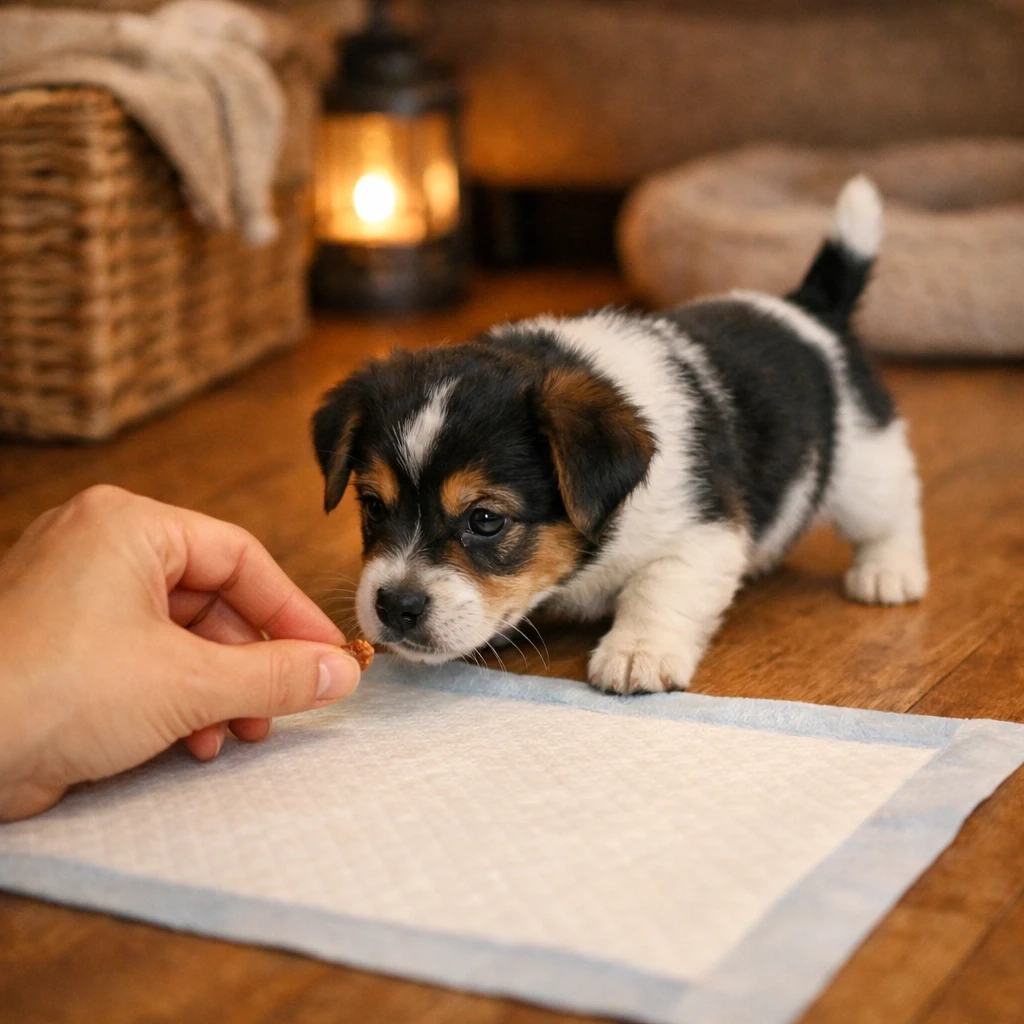
في الممارسة العملية، يضع المالك الفوطة في مكان واحد مختار، ويأخذ الكلب إلى هناك في الأوقات المناسبة، ويكافئ النجاح على الفور. وبمرور الوقت، يبدأ الكلب في ربط هذا الموقع بقضاء الحاجة. تقول جمعية RSPCA أنه يجب مكافأة الكلب على الفور بالثناء أو المكافأة أو اللعب. تقدم AKC نفس النصيحة وتقول إنه يجب على المالكين أن تكون المكافأة جاهزة في اللحظة التي ينتهي فيها الجرو من قضاء حاجته.
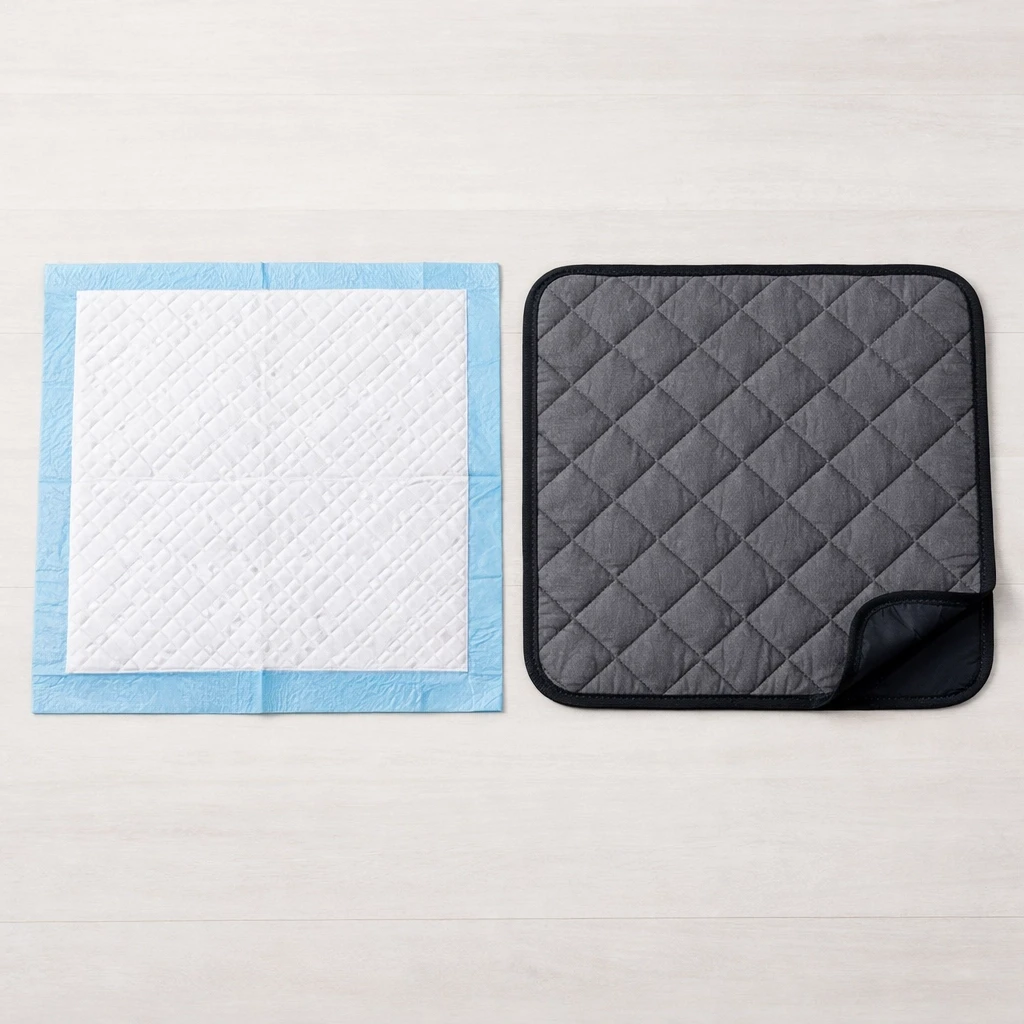
تنقسم معظم المنتجات في هذه الفئة إلى مجموعتين عريضتين: ضمادات تستخدم لمرة واحدة و ضمادات قابلة لإعادة الاستخدام والغسل. تشير AKC إلى أن الفوط القماشية القابلة لإعادة الاستخدام يمكن أن تكون متينة وسهلة الغسل وأقل إغراءً لبعض الجراء لتمزيقها. وهذا يجعلها مناسبة لبعض المنازل، بينما يتم اختيار الفوط التي تستخدم لمرة واحدة في كثير من الأحيان للراحة والتنظيف اليومي السريع.
عندما تكون وسادة تدريب الحيوانات الأليفة أكثر منطقية
غالبًا ما تكون وسادة التدريب مناسبة في مرحلة الجراء المبكرة. تقول RSPCA إن الكلاب لا تصل إلى السعة الكاملة للمثانة حتى عمر 12 شهرًا تقريبًا، وتقول AKC إن الجراء الصغيرة جدًا لا يمكنها ببساطة الانتظار طالما أن أصحابها قد يأملون. هذا لا يعني أن كل كلب يحتاج إلى وسادات لمدة عام كامل. هذا يعني أن المالكين يحتاجون إلى توقعات واقعية في الأشهر الأولى. تساعد الفوط على سد الفجوة بين ما يريده المالك وما يمكن للجرو التحكم فيه بالفعل.
تكون الفوط الصحية منطقية أيضًا عندما يكون الهدف النهائي لا يزال التدريب في الهواء الطلق، لكن الأسرة تحتاج إلى حل داخلي قصير المدى أولاً. من الواضح أن منظمة عالم الرفق بالحيوان للحيوانات (Humane World for Animals) يمكن أن تساعد في ذلك، على الرغم من أنها قد تبطئ الانتقال إلى العادات الخارجية فقط. تقدم منظمة بلو كروس إرشادات عملية مماثلة وتقول إنه يمكن للمالكين استخدام فوط الجراء طوال الليل، ثم استخدام الرائحة المنبعثة من الورق أو الفوط المتسخة للمساعدة في توجيه الجرو نحو منطقة المرحاض المفضلة في الخارج.
وهي مفيدة أيضًا للكلاب الكبيرة أو الكلاب التي تحتاج إلى مزيد من الدعم في المنزل. يقول بلو كروس إن الكلاب الأكبر سنًا يمكن أن تنسى الروتين وتحتاج إلى المزيد من الفرص لقضاء حاجتها وتستفيد من الإعداد الداخلي المألوف. تُظهر إرشادات AKC الخاصة بكبار الكلاب أيضًا أن أماكن المراحيض الداخلية يمكن أن تقلل من الإجهاد عندما تتغير حركة الكلب أو التحكم في المثانة مع تقدم العمر.
| الوضع | لماذا تساعدك وسادة التدريب |
|---|---|
| جرو صغير جداً | يوفر خيار مرحاض داخلي آمن أثناء فترات الاستراحة المتكررة للنونية |
| المعيشة في الشقق | يقلل من التوتر عندما يستغرق الوصول إلى الأماكن الخارجية وقتاً أطول |
| يوم عمل مزدحم | يساعد على تغطية الفترات القصيرة عندما تكون الرحلات الخارجية أصعب |
| رعاية كلاب كبار السن | يدعم الكلاب التي تعاني من ضعف التحكم في المثانة أو بطء الحركة |
| الاستخدام الليلي | يمنح المالكين خيار المرحاض الاحتياطي داخل المنزل |
تعكس حالات الاستخدام المذكورة أعلاه النصائح العملية الواردة في إرشادات منظمة AKC، ومنظمة عالم الرفق بالحيوانات، ومنظمة RSPCA، ومنظمة الصليب الأزرق.
الفوائد الرئيسية للوسادة التدريبية الجيدة
الفائدة الأولى هي الإدارة اليومية الأنظف. لا يحتاج المالكون إلى التعامل مع كل حادث داخلي على أنه أزمة عندما يكون للكلب مكان واحد واضح للذهاب إليه. الفائدة الثانية هي الروتين. يبدأ الكلب في تعلم نمط المرحاض القابل للتكرار. الفائدة الثالثة هي المرونة. يمكن للوسادة أن تدعم التدريب خلال الأيام الممطرة والليالي المتأخرة وحياة الشقة والمرحلة الأولى من ملكية الجرو. هذه هي نفس الأسباب العملية التي تقدمها المصادر الرئيسية لرعاية الحيوانات الأليفة لاستخدام خيارات النونية الداخلية في المكان المناسب.
من وجهة نظرنا في Carecon™، فإن القيمة لها جانب عاطفي أيضًا. غالبًا ما يشعر مالكو الحيوانات الأليفة الجدد بالحماس، لكنهم يشعرون بالتعب أيضًا. وتعد حوادث التبول غير المقصودة من أسرع الطرق التي يؤدي إلى تراكم هذا التوتر. لذا فإن المنتج الذي يساعد في الحفاظ على نظافة الأرضية وتبسيط الروتين اليومي له قيمة حقيقية في المنزل. ولهذا السبب لا يقتصر اهتمام المشترين على السعر فحسب، بل يفكرون أيضًا في مدى ملاءمة الفوطة للحياة اليومية، ومدى تكرار الحاجة إلى تغييرها، وما إذا كان المنتج يجعل عملية التدريب أسهل.
يمكن أن تدعم وسادة التدريب الجيدة أيضًا اتساقًا أفضل. الاتساق مهم لأن الكلب يحتاج إلى رسالة واحدة واضحة. إذا استمر تغيير مكان المرحاض، فإن التقدم يتباطأ. إذا كان رد فعل المالك غاضبًا، فإن التقدم يتباطأ. تشدد كل من جمعية RSPCA ومنظمة عالم الرفق بالحيوان على التدريب القائم على المكافأة وتقولان إن العقاب هو الاستجابة الخاطئة للحوادث. وتضيف منظمة عالم الرفق بالحيوان للرفق بالحيوان أن العقاب يمكن أن يجعل الكلب خائفاً وقد يبطئ التعلم.
كيفية تدريب الجرو على استخدام وسادة تدريب الحيوانات الأليفة
ابدأ بموقع واحد ثابت. لا تنقل الوسادة من غرفة إلى أخرى دون سبب واضح. تتعلم الكلاب المكان من خلال التكرار. إذا بقيت الوسادة في منطقة واحدة، تظل الرسالة واضحة. يدعم كل من AKC و RSPCA روتين المرحاض الثابت، وتقول AKC إنه يمكن للمالكين استخدام مقود عند قيادة الجرو المشتت إلى الوسادة حتى يظل الكلب مركزًا على المهمة.
بعد ذلك، اصطحب الجرو إلى الفوطة في الأوقات التي يكون فيها قضاء الحاجة على الأرجح. يقول الصليب الأزرق أن هذا يشمل أول شيء في الصباح، وآخر شيء في الليل، وفي كثير من الأحيان خلال اليوم. تضيف AKC أن الجراء غالبًا ما تحتاج إلى الذهاب بعد الأكل أو اللعب أو الاستيقاظ مباشرة. أنماط التوقيت هذه مهمة لأن التكرار الناجح يبني هذه العادة بشكل أسرع.
عندما يستخدم الجرو الفوطة، كافئه على الفور. لا تنتظر. تقول RSPCA أنه يجب مكافأة السلوك الصحيح على الفور. تقول جمعية AKC أنه يجب على المالكين الاحتفاظ بالمكافآت جاهزة بجانب منطقة النونية حتى تأتي المكافأة في الوقت المناسب تمامًا. هذا الجزء بسيط، لكنه أحد أهم الخطوات في العملية برمتها.
إذا تعرض الجرو لحادث في مكان آخر، حافظ على هدوئك. تقول منظمة عالم الرفق بالحيوان للرفق بالحيوان إنه لا ينبغي للمالكين أبدًا معاقبة الجرو على الحوادث. يمكن أن يؤدي توبيخ الكلب أو فرك أنفه في الفوضى إلى إثارة الخوف وإبطاء التقدم. الاستجابة الأفضل هي تنظيف المنطقة جيدًا ومواصلة العمل على الروتين. كما توصي منظمة عالم الرفق بالحيوان أيضًا باستخدام المنظفات الأنزيمية لأنها تساعد على تكسير روائح فضلات الحيوانات الأليفة.
إذا كان هدفك على المدى الطويل هو قضاء حاجتك في الهواء الطلق، فيجب أيضًا التخطيط للانتقال. تشير منظمة عالم الرفق بالحيوان للحيوانات إلى أن التدريب على استخدام النونية في الأماكن المغلقة يمكن أن يجعل اقتحام المنزل في الهواء الطلق يستغرق وقتًا أطول، لذلك يجب على المالكين التعامل مع الفوط كخطوة في العملية، وليس كعادة عشوائية. يقترح بلو كروس استخدام الرائحة المنبعثة من الورق أو الفوط المتسخة لمساعدة الجرو على ربط المنطقة الخارجية المفضلة لديه بقضاء حاجته. كما توضح إرشادات AKC لكبار الكلاب أيضًا كيف يمكن للرائحة أن تساعد الكلاب على فهم مكان المرحاض الجديد في الداخل.
الأخطاء الشائعة التي يرتكبها المالكون
أحد الأخطاء الشائعة هو توقع الكثير في وقت مبكر جدًا. تقول AKC إن الجرو الصغير جدًا لا يمكنه الاحتفاظ بمثانته لفترة طويلة، وتقول RSPCA إن القدرة الكاملة للمثانة تأتي في وقت متأخر أكثر مما يعتقده الكثير من الناس. عندما يتوقع المالكون أن ينتظر الجرو مثل الكلب البالغ، تصبح الحوادث أكثر احتمالاً.
خطأ آخر هو التعامل مع الحوادث على أنها سلوك سيء بدلاً من اعتبارها جزءًا من مرحلة التعلم. تقول منظمة عالم الرفق بالحيوان أن العقاب يزيد من الخوف ولا يعلم عادة قضاء الحاجة بشكل صحيح. تدعم RSPCA أيضًا التدريب الإيجابي القائم على المكافأة بدلاً من الغضب أو القوة. من وجهة نظرنا، هذا هو المكان الذي يفقد فيه العديد من الملاك التقدم. فهم يتفاعلون مع الحادث وليس مع خطة التدريب.
الخطأ الثالث هو تجاهل السبب وراء الحوادث المتكررة. تقول منظمة عالم الرفق بالحيوان للحيوانات إنه يجب على المالكين أخذ الكلب إلى الطبيب البيطري أولاً عندما يبدأ الكلب المدرب في المنزل بالتبول في أماكن غير مرغوب فيها، لأنه قد يكون هناك سبب طبي. هذه نقطة مهمة. يمكن أن تساعد وسادة التدريب في إدارة الفوضى، لكنها لا يمكن أن تحل مشكلة صحية.
كيفية اختيار وسادة تدريب الحيوانات الأليفة المناسبة
في Carecon™، ننصح المشترين بالبدء بتحديد الغرض الفعلي من الاستخدام. هل ستُستخدم الفوطة لجرو صغير، أم لكلب مسن، أم كحل احتياطي ليلاً، أم خلال مرحلة تدريب قصيرة في الشقة؟ هذا هو السؤال الأول الذي يجب طرحه. بعد ذلك، يمكن للمشتري النظر في نوع الفوطة وحجمها وطريقة التنظيف اليومية.
إذا كانت الراحة هي الحاجة الرئيسية، فعادةً ما تكون الفوط التي تستخدم لمرة واحدة هي الخيار البسيط. أما إذا كانت الأسرة تريد خياراً قابلاً لإعادة الاستخدام، فتشير AKC إلى أن الفوط القماشية القابلة للغسل متينة وقابلة للغسل وغالباً ما تكون أقل عرضة للتمزق من قبل بعض الجراء. وهذا يجعلها مفيدة للاستخدام المنزلي المتكرر.
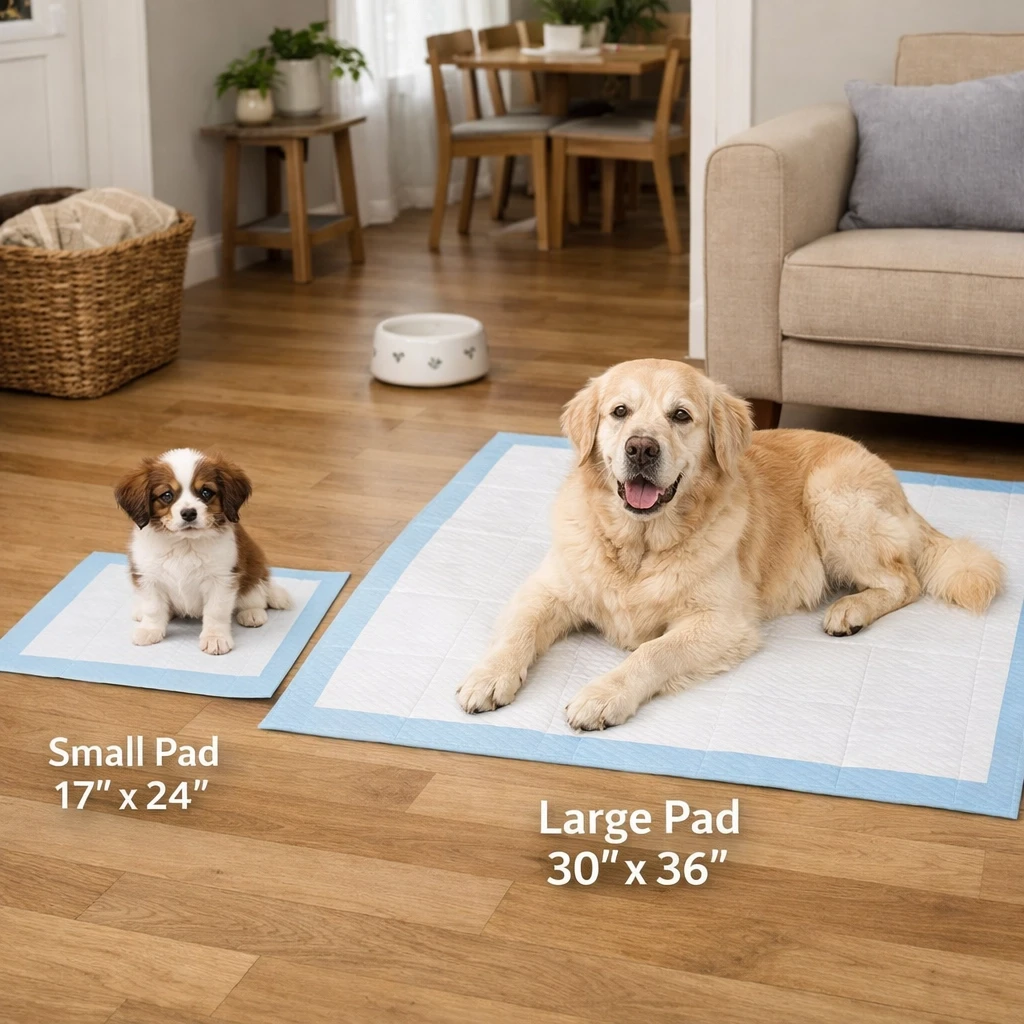
الحجم مهم أيضًا. يجب أن تتناسب مساحة المرحاض مع حجم جسم الكلب وحركته. يمكن للوسادة الصغيرة جدًا أن تخلق أخطاء حول الحواف. الموضع مهم أيضًا. توفر المنطقة المستقرة وسهلة التنظيف أفضل فرصة للنجاح. من وجهة نظر المنتج، فإن الوسادة المناسبة هي التي تتناسب مع الحيوان الأليف والمنزل وهدف التدريب.
الخاتمة
A وسادة تدريب الحيوانات الأليفة هو حل مرحاض داخلي يساعد المالكين على إنشاء روتين أنظف وأكثر تنظيماً للجراء والكلاب الكبيرة والمنازل التي تحتاج إلى مزيد من المرونة. وهو يعمل بشكل أفضل عندما يستخدم المالك موقعًا واحدًا واضحًا ويتبع جدولاً زمنيًا ثابتًا ويكافئ النجاح في الحال ويتجنب العقاب أثناء الحوادث. تشير الإرشادات الصادرة عن AKC، وعالم الرفق بالحيوانات، و RSPCA، والصليب الأزرق إلى نفس الاتجاه: الروتين والصبر والتعزيز الإيجابي هي ما يجعل المنتج مفيدًا.
في Carecon™، نؤمن بأن الفوطة التدريبية الجيدة يجب أن تساهم في الحفاظ على النظافة وتعزيز الثقة. كما يجب أن تساعد أصحاب الحيوانات الأليفة على إدارة حياتهم اليومية بضغوط أقل، وأن تساعد الحيوانات الأليفة على التعلم بطريقة هادئة. ولهذا السبب، نعتبر هذا المنتج أكثر من مجرد عنصر امتصاصي بسيط؛ بل نراه جزءًا عمليًّا من الرعاية الحديثة للحيوانات الأليفة.